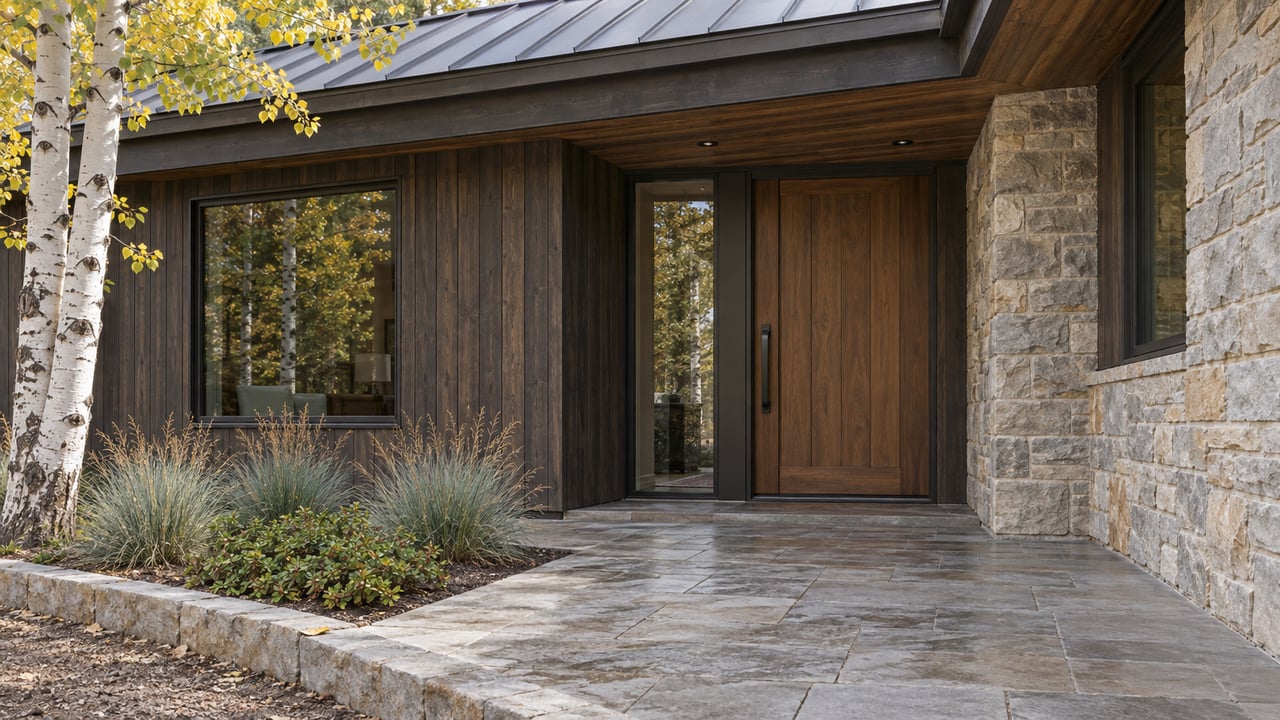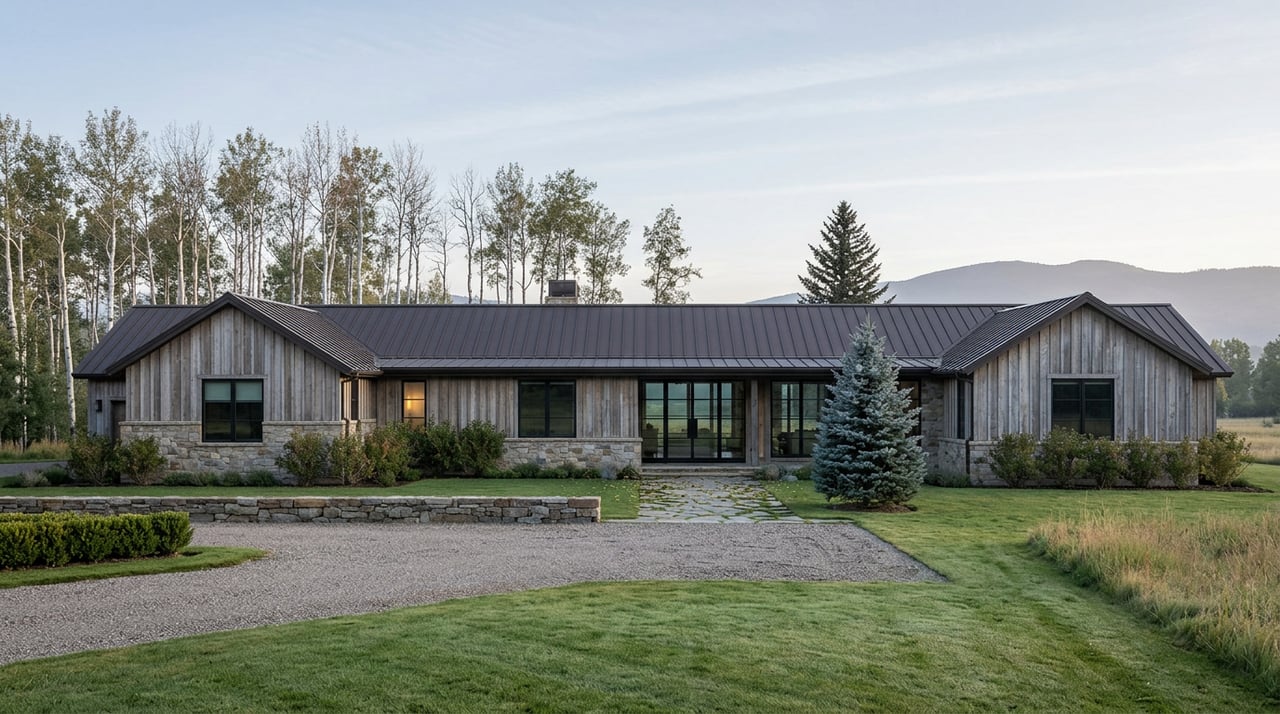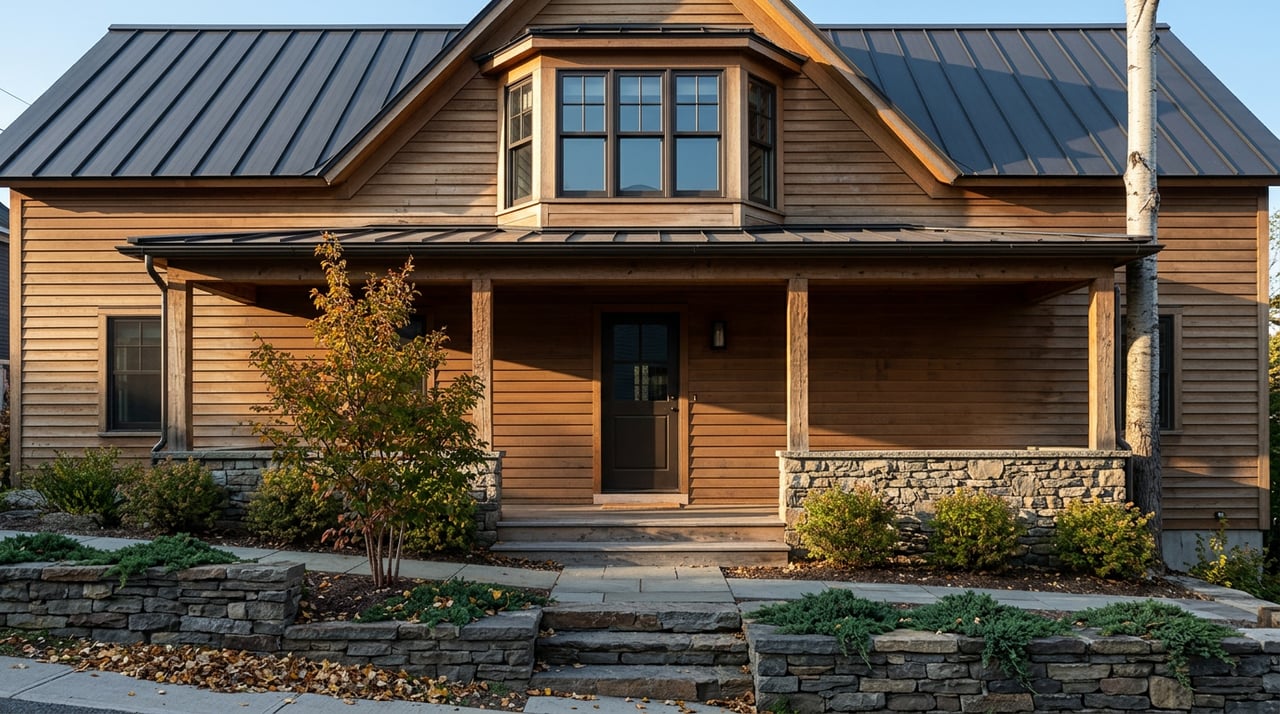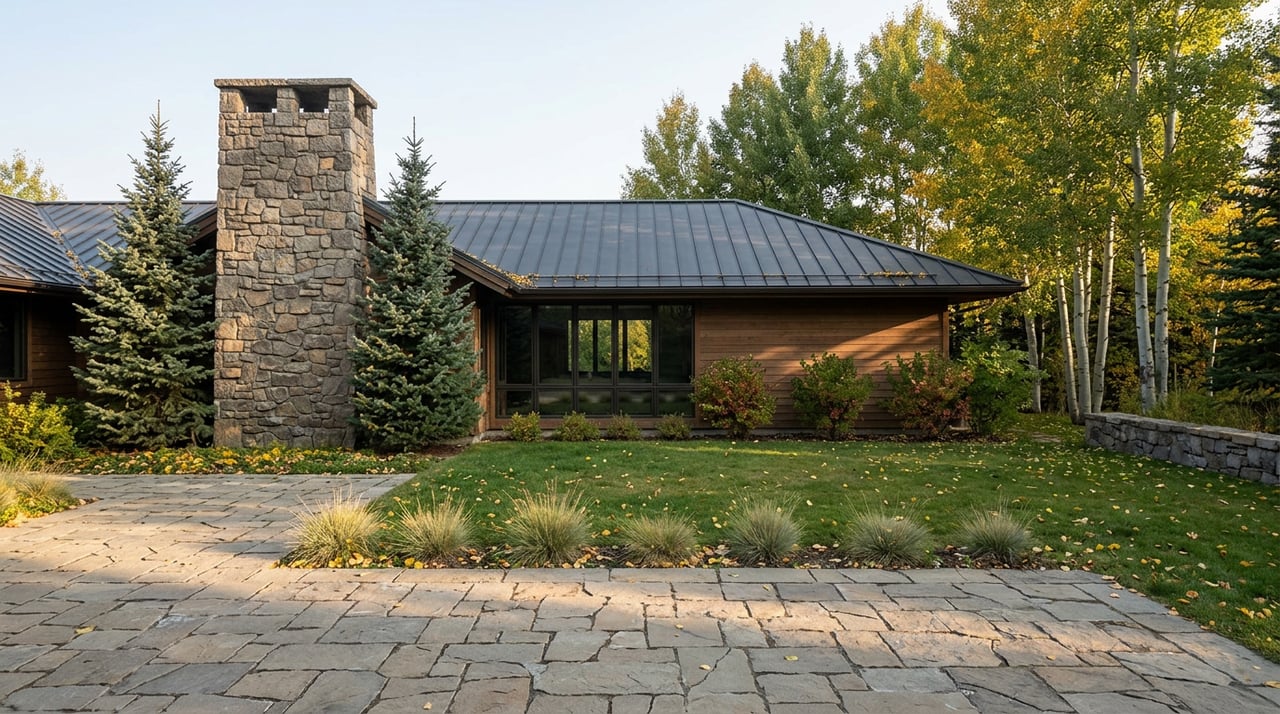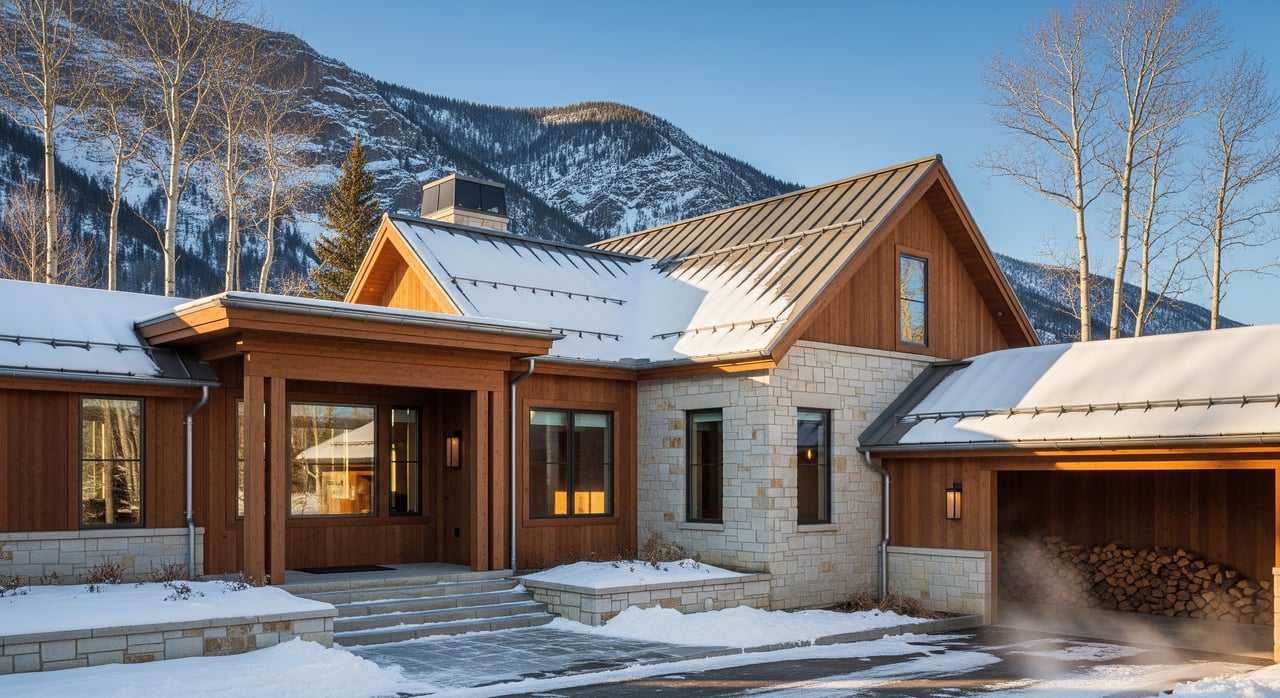
Heavy, wet snow and fast-moving canyon storms can turn a peaceful mountain retreat into a maintenance headache overnight. If you split your time or keep your Sundance home as a second residence, you need a simple, reliable plan that keeps water moving, heat steady, and access open even when you are away. In this guide, you will find a discreet, practical checklist designed for luxury mountain properties in Sundance, with a focus on freeze protection, smart monitoring, access management, and caretaker coordination. Let’s dive in.
Sundance winter risks
Sundance sits higher than the valley and sees prolonged sub-freezing temperatures, heavy wet snow, freeze–thaw cycles, and periods of high wind. Power outages and fast-developing storms are part of the mountain pattern. Common winter hazards for second homes include frozen pipes, heating system failures, ice dams, excessive roof snow load, blocked driveways, and tree limb damage. Access can change quickly during storms, and some roads may be restricted or temporarily closed.
Authoritative agencies you can monitor include the National Weather Service and NOAA for local forecasts and warnings, FEMA for winter preparedness guidance, the Utah Avalanche Center for mountain hazard updates, and UDOT for road and canyon closure notices.
Choose a freeze strategy
The most important decision is how you will protect plumbing when the home is vacant. Choose one approach and plan around it.
- Maintain heat: Keep interior temperature at about 55°F. This is straightforward if your heating system is reliable, you can monitor it remotely, and you have a plan for power interruptions. It also helps protect septic systems that remain in use.
- Drain and shut off water: This reduces burst-pipe risk during extended vacancy if heating reliability is uncertain. It requires full winterization of fixtures and appliances and a careful plan for recommissioning in spring.
Confirm any requirements or preferences with your insurer, since vacancy clauses often specify minimum heat settings or inspection frequency.
Plumbing checklist
- Insulate exposed pipes in attics, crawlspaces, garages, and exterior walls. For vulnerable runs, consider heat tape installed by a qualified professional.
- Install frost-proof sill faucets and drain exterior lines. Disconnect all hoses. Blow out irrigation systems.
- If you choose the drain strategy, winterize water heaters and boilers per manufacturer instructions, including relief valves and mixing components.
- Add automatic leak detection and, if feasible, a remote or automatic main water shutoff. Place sensors near water heaters, under sinks, and in utility rooms.
- For septic systems in use, pump the tank pre-season as advised, insulate exposed access points, and maintain minimal interior heat to discourage freezing.
When in doubt, hire a licensed plumber for insulating, heat tape installation, and any system modifications.
Heating and fuel
- Service furnaces, boilers, and gas fireplaces before the first major storm. This should include inspection, cleaning, pilot checks, and flue or chimney cleaning where needed.
- If leaving heat on, set thermostats to a safe minimum, commonly 55°F. Use a smart thermostat that alerts you if interior temperatures drop.
- Confirm fuel supply. Fill propane tanks, protect regulators from freezing, and verify natural gas service status. If you have a generator, plan deliveries and safe storage for propane or diesel.
- Consider redundancy in critical areas, such as safe secondary electric heat with monitoring and automatic shutoff features.
Roof and envelope
- Inspect the roof for loose shingles, flashing issues, and chimney flashing gaps. Repair before heavy snow arrives.
- Clean gutters and downspouts to reduce ice dams. Where practical, install gutter guards and keep roof edges clear of debris.
- Improve attic insulation and ventilation to limit heat escaping into the roof deck, which can cause melt and refreeze.
- Seal air leaks around windows, doors, and penetrations. Check weatherstripping and garage door seals.
Snow and access
- Contract for snow removal early and define scope in writing. Clarify trigger depths, response times, plow areas, walkways, roof clearing protocols, and de-icing products that will not damage finishes.
- Trim trees and hazardous limbs near structures and driveways so snow and ice do not cause breakage or block access.
- Secure or store outdoor furniture, grills, fuel tanks, and recreational equipment.
- Mark driveway edges with reflective poles so plows can identify boundaries during deep snow.
Power and backups
- Service and test your standby generator with a proper load test. Verify safe fuel storage and that transfer switches meet code.
- Provide battery backup for essentials: Wi‑Fi router, monitoring hub, smart thermostat, and any sump pump or critical sensor.
- Test sump pumps and consider a battery-backed float switch. Replace older pumps before winter.
- Stage a small on-site emergency kit with flashlights, batteries, and basic hand tools for caretaker use.
Remote monitoring
Reliable monitoring bridges the gap between you and the property when storms roll through.
- Monitor multiple zones for temperature and humidity, including living areas, utility rooms, garages, and any crawlspaces or attics.
- Place leak sensors at high-risk points: water heater, under-sink cabinets, and mechanical rooms.
- Set power-loss alerts and track generator status if available.
- Consider cellular-enabled devices or a cellular failover if Wi‑Fi is unreliable. Use a small UPS for your router and hub to ride out short outages.
- Choose professional monitoring or a well-configured self-monitoring setup. Keep batteries and spares on site.
Access and digital security
- Use smart locks with time-limited codes for caretakers and vendors. Rotate codes regularly and maintain an audit trail.
- Keep a secure, discreet lockbox for physical keys as a backup.
- Place exterior cameras for perimeter awareness if desired. Interior cameras require careful consideration of privacy and local rules. Obtain consent where appropriate and follow HOA guidelines.
- Manage device passwords with unique, strong credentials. Store accounts and codes in a secure password manager.
Caretaker coordination
A trusted caretaker or local property manager is essential for second homes in mountain communities.
- Scope of duties: weekly or biweekly interior and exterior checks, thermostat and boiler checks, review of leak sensors and meters, snow removal oversight, trash management, and emergency response with pre-authorization.
- Documentation pack: owner contacts, local emergency numbers, utility account details, vendor list, alarm codes, gate instructions, insurance and mortgage info, and inspection protocols with photo documentation.
- Agreement terms: define compensation, liability, and approval limits for emergency expenses. Confirm the caretaker’s insurance and licensing for any specialized tasks.
Monitoring-to-action plan
Define who gets alerts and who acts so nothing falls through the cracks.
- Assign alert recipients: owner, caretaker, and a primary vendor for plumbing or HVAC.
- Create triggers: for example, a low-temperature alert prompts a caretaker visit, while a leak alert triggers automatic shutoff plus calls to the plumber and owner.
- Keep a current contact list by the main entrance with laminated quick-start instructions.
Seasonal timeline
- Summer to early fall:
- Service HVAC, chimney, and generator. Inspect roof and trees. Decide on heat-on versus drain strategy and plan any plumbing upgrades.
- Hire a snow removal contractor and finalize a written scope with triggers and response times.
- Draft your caretaker agreement and assemble the documentation pack.
- Four to six weeks before closing the home for the season:
- Complete pipe insulation and any valve installs. Drain water heaters if you are shutting the water off.
- Install or test monitoring devices and verify alerts. Test backup communications.
- Confirm propane or fuel deliveries and generator readiness.
- Pre-departure checks:
- Walk each room to confirm windows and doors are sealed, hoses disconnected, thermostat set, valves in the planned positions, and trash removed.
- Place laminated instructions and a key set for the caretaker in the designated location.
- Winter season:
- Schedule weekly or biweekly inspections. Review alerts promptly. After storms, confirm roof, trees, and access are in good shape.
Insurance and HOA
- Notify your insurer about seasonal vacancy. Many policies require regular checks or specify temperature settings when a home is unoccupied for more than 30 to 60 days.
- Keep records of pre-season maintenance and services. These support any future claims.
- Confirm coverage for frozen pipes, ice-dam water damage, and roof collapse from snow load. Ask about vacancy endorsements if needed.
- Review HOA covenants for snow removal standards, exterior maintenance expectations, and any rules around cameras or exterior equipment.
Pre-departure checklist
Use this quick list the day you leave for the season.
- Heat and water
- Choose and confirm your strategy: heat-on or drained and shut off.
- Set thermostats to about 55°F and verify smart alerts are active.
- If drained, confirm all fixtures, water heaters, and lines are winterized.
- Monitoring and power
- Test leak sensors, temperature sensors, and power-loss alerts.
- Check router and hub UPS batteries. Verify generator auto-start.
- Exterior and access
- Disconnect hoses, drain exterior lines, and secure outdoor items.
- Confirm snow-removal scope, contacts, and trigger depths.
- Install reflective driveway markers.
- Documentation
- Place caretaker packet and laminated instructions by the primary entry.
- Photograph property condition for your records.
A calm, consistent process is the best insurance against surprise winter issues. With a clear strategy, reliable monitoring, and defined caretaker roles, your Sundance home can stay protected all season while you enjoy the mountains on your terms.
If you want discreet, local guidance on second-home strategy in the Wasatch Back, request a private consultation with Paula Higman.
FAQs
How should I winterize a vacant Sundance home?
- Choose either a heat-on plan at about 55°F with remote monitoring and backup power, or fully drain and shut off water with professional winterization. Align the plan with your insurer’s requirements.
What causes most winter damage in mountain homes?
- The most common losses are from frozen and burst pipes and from prolonged power outages that shut down heating systems and pumps, leading to water damage.
What monitoring devices are most important for second homes?
- Prioritize temperature sensors, water-leak sensors, and power-loss alerts. Add cellular failover and a UPS for the router or hub to keep alerts flowing during short outages.
How often should a caretaker check my property in winter?
- Weekly or biweekly checks are common. Many insurers expect at least every 7 to 14 days, with extra visits after major storms or when alerts indicate issues.
What are Sundance-specific access considerations in winter?
- Canyon storms can restrict or close roads, and avalanche control may affect access. Plan for timely snow removal, monitor road and avalanche advisories, and maintain backup fuel and power.