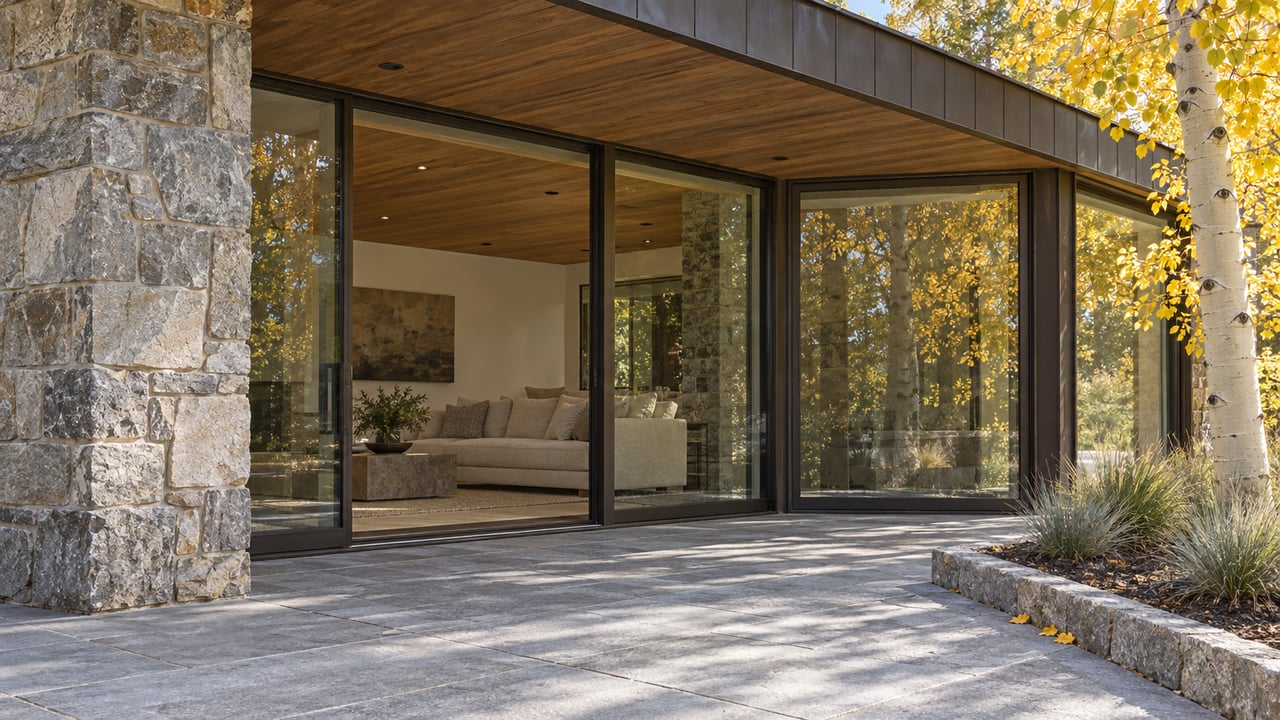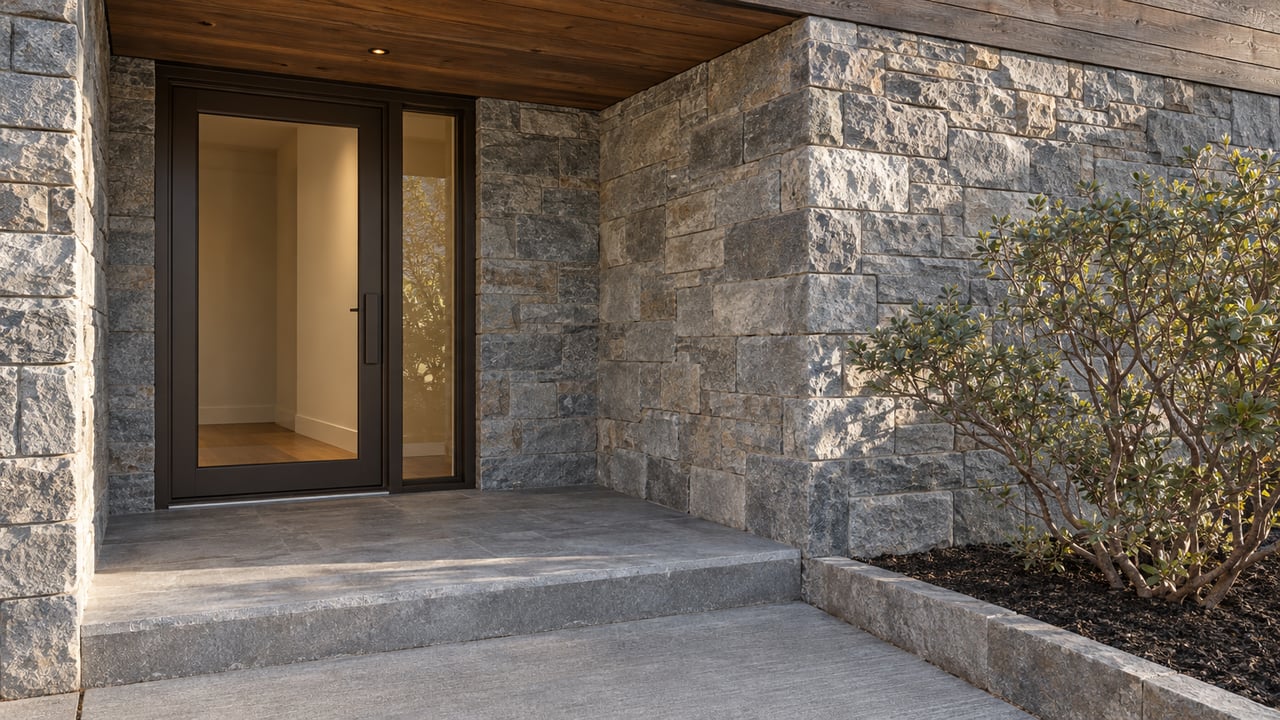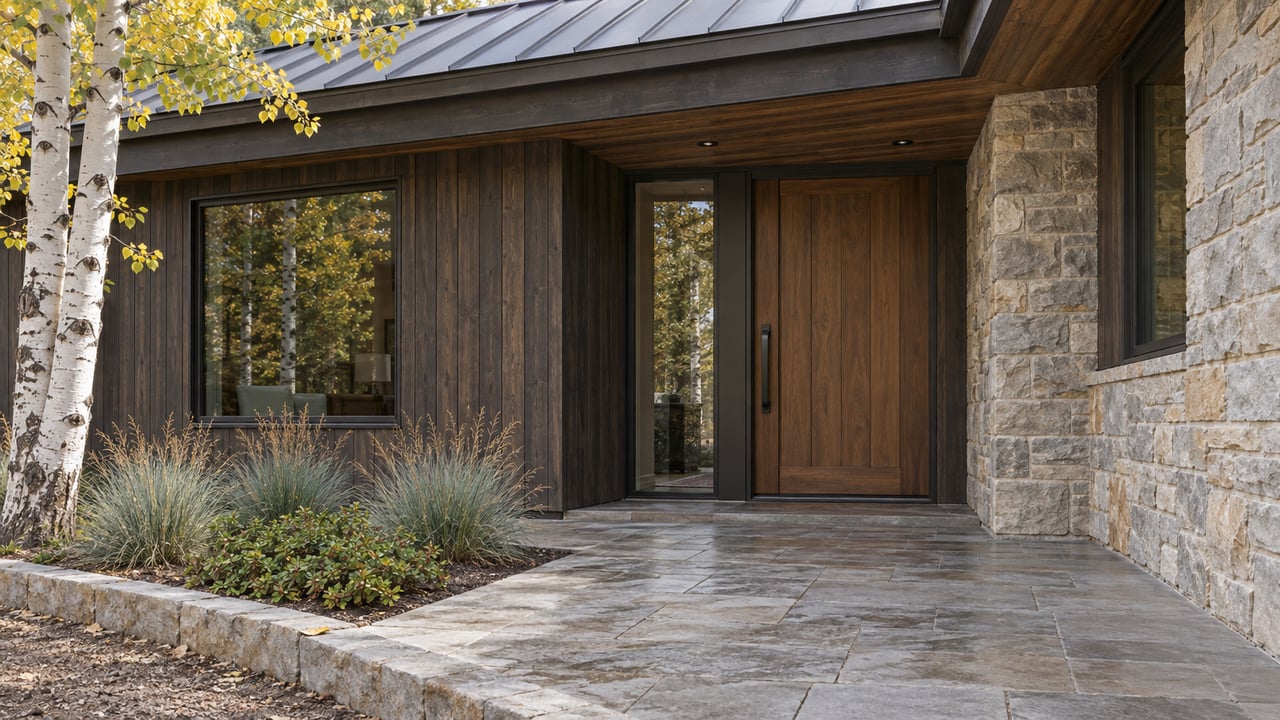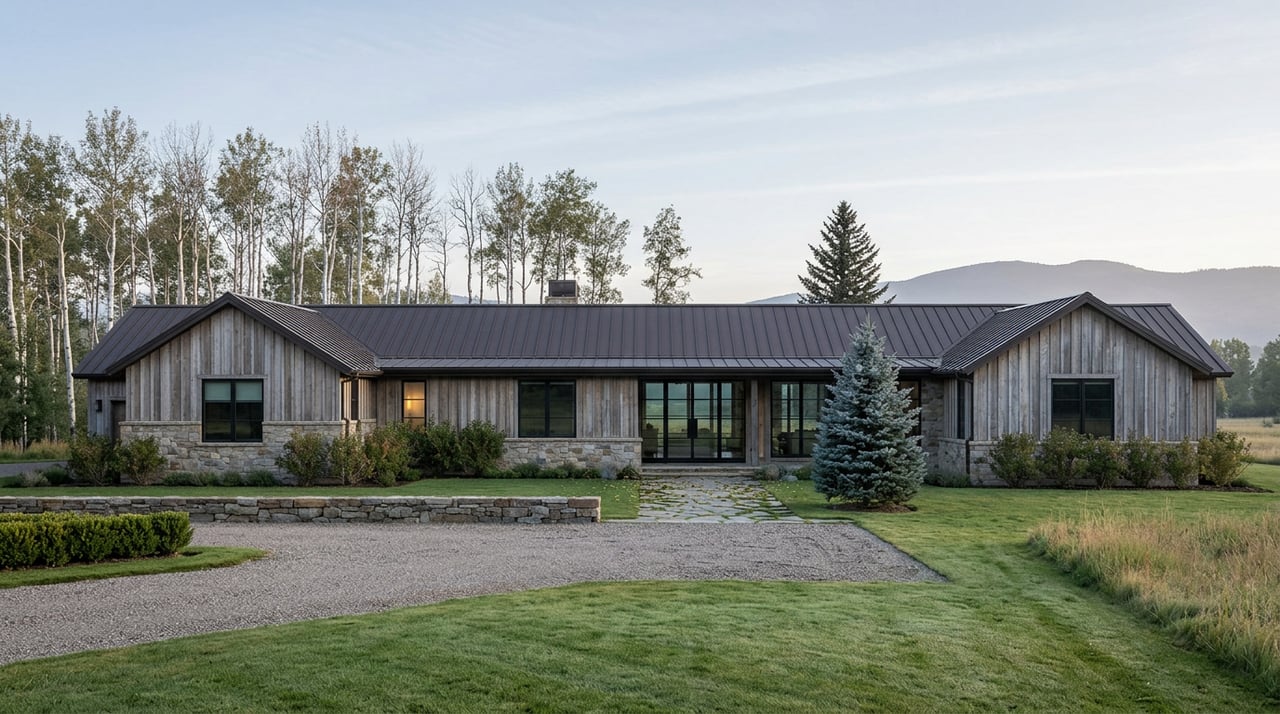
A round of golf at Wohali this summer looked, by most accounts, exactly like the brochure promised. A player who reviewed the course in July called out the dramatic changes in elevation across the layout, quick and true greens, and a staff eager to have golfers back on property. The 7,566-yard, par-72 layout carved through a secluded valley beneath Lewis Peak is real, finished, and open for play under a new operator.
Membership terms and responsibility for the original club's commitments are separate from the course's reopening. Founding members paid $150,000 to join the original golf club. In May, a bankruptcy judge ruled that the club they joined was a legally different entity from the developer that went under, which means those members are not getting their money back. The course survived. Their contracts didn't.
That distinction, between the physical asset and the legal promise wrapped around it, is the thing anyone comparing Wohali to Promontory, Victory Ranch, Tuhaye, or Red Ledges needs to understand before they get attached to a lot number or a view corridor. The land is beautiful and mostly finished. The paperwork that would normally tell you who owns what, and who answers for it if something goes wrong, is still being redrawn in court.
How Wohali Got Here
The short version, pieced together from bankruptcy filings and reporting over the past year:
- August 2025 — Wohali Land Estates LLC filed for Chapter 11 protection in the U.S. Bankruptcy Court for the District of Utah, following lawsuits from creditors and contractors, including claims that the developer owed roughly $85 million to foreign investors under the federal EB-5 Immigrant Investor Program.
- April 2026 — A court-appointed trustee opened bidding on the property. Bids were due April 20, with an auction scheduled for April 24 and a proposed closing by mid-May.
- May 2026 — EB5AN Wohali Utah Fund XV, LP, the investment fund representing the EB-5 creditors and Wohali's senior lender, was the only bidder. Because the original developers couldn't repay a roughly $79 million loan, the fund used that debt to acquire the resort through a court-approved credit bid.
- May 21, 2026 — Troon, the Scottsdale-based golf and club management company, announced through its private-club division, Troon Privé, that it would take over golf operations, agronomy, retail, and membership sales at Wohali.
- June 2026 — The Eagle Course reopened under the new ownership and management structure.
Along the way, Bankruptcy Judge Peggy Hunt issued two rulings that matter more to a buyer today than the sale price itself. On May 13, she declined to force Wohali's new owners to honor the $150,000 memberships sold to founding members, because the defunct golf club was a separate legal entity from the bankrupt developer. Two days later, she denied a request from those same members, now organized in court filings as the "Wohali Concerned Owners," to block the EB5AN acquisition while they appealed.
What Reopened, and What Didn't
Golf reopened. That's the resolved part. Troon Privé now runs the course and is selling access through what it calls the 2026 Golf Discovery Membership, capped at 150 memberships and explicitly offered for one season only. According to Wohali's own site, the club structure resets after this year, when the company says the residential community relaunches and returns to homeowners.
The residential community's future structure, however, remains unsettled. The original vision for Wohali, as pitched to buyers before the bankruptcy, described a club capped at 350 total memberships across a fully built community, with a golf clubhouse, a racquet club, a lake house, a wellness center with a cold plunge and sauna, a library that would host wine tastings and author talks, and an adventure center with a climbing wall. None of that is confirmed reopened. What exists today is a golf course and a temporary access program with fewer than half the memberships originally planned, explicitly framed as provisional.
That's not a criticism of the course itself. It's a reason to separate two questions that are easy to blur when you're looking at listing photos: is the golf good, and is the ownership structure around it settled. This spring answered the first question. It has not yet answered the second.
Land Ownership and Access Disputes
The other open thread involves the ground itself. Wohali's original master plan set aside roughly 3,000 of its nearly 5,000 acres as private backcountry, intended for ski mountaineering and hiking access that would have been unique among Park City-area communities. Court filings this spring describe a group claiming to be the rightful owner of that backcountry challenging the sale to EB5AN, alongside objections from Coalville City and Wohali's own would-be homebuyers.
Separately, Wohali's original developers still hold three parcels inside the resort through a different LLC, one of which includes part of the entrance and another the golf course's water pump. EB5AN is pursuing those parcels in state court, an action the concerned owners group has argued runs afoul of bankruptcy procedure. Whatever the outcome, the practical point for a buyer is this: the new owner does not yet control all the land that Wohali's amenities and access depend on. Some of that is still being fought over piece by piece.
Why This Changes What "Underwriting a Lot" Means Here
At an established private club community, the questions a buyer asks are mostly about fit and price. Does the membership structure suit your golf habits. Does the lot orientation work with the view you want. What did comparable homes actually sell for last quarter. Those communities have a track record long enough that the entity chart, who owns the club, who owns the land, who's obligated to deliver which amenity, has already been tested and settled.
Wohali hasn't had that test yet. It's having it right now, in bankruptcy court, in real time. So the questions worth asking before writing an offer look different:
- Which specific entity owns the golf club today, and is that the same entity that would owe you anything if a future amenity commitment isn't kept?
- Is the parcel you're buying dependent on backcountry or entrance access that is currently contested in state court?
- If you're buying with an eye toward a future club membership, is that membership deeded to the property, or is it a separate contract with a company that could, as founding members learned, be legally distinct from the ground you own?
- What does Eagle Peak Development, the new ownership's building arm led by Bobby Masters, have under contract to complete, and which elements of the original plan remain unconfirmed?
None of these questions have obvious answers from a listing sheet. They require pulling the actual court record, the current club operating agreement, and title documentation for the specific parcel in question, not the community's overall acreage figures.
A Few Questions Worth Asking Directly
Is the golf course actually open right now? Yes. Troon Privé has operated it since reopening in June 2026, and it's playable through the 2026 Golf Discovery Membership program or day play, according to reporting from Utah Public Radio's Summit County affiliate.
Did the founding members get their $150,000 back? No. Bankruptcy Judge Peggy Hunt ruled in May 2026 that the original golf club was a separate legal entity from the bankrupt developer, which meant the new owners had no obligation to honor those memberships or refund them.
Does the new owner control all of Wohali's land? Not entirely. A group claiming ownership of roughly 3,000 acres of backcountry is challenging the sale, while the original developers still hold three parcels, including part of the entrance and the golf course's water pump. EB5AN is pursuing those parcels in state court.
How does Wohali compare to Promontory, Victory Ranch, Tuhaye, or Red Ledges right now? Those communities have years of resolved ownership, established membership structures, and a resale track record. Wohali's ownership and club structure only reset this year, and the 2026 membership program is explicitly temporary, which means the comparison isn't yet apples to apples.
The Takeaway
A finished, well-reviewed golf course sitting inside a resolved legal and ownership structure is one kind of purchase. A finished, well-reviewed golf course sitting inside a structure that just came out of bankruptcy, with contested land and a membership program that describes itself as temporary, is a different kind of purchase, even if the fairways look identical from the cart. Wohali's course earned its reviews this summer. Whether the rest of what was promised around it gets rebuilt the same way is still an open question, and it's the one worth answering before anyone signs at the closing table.
If you're weighing a purchase in Wohali against one of the Wasatch Back's more established golf communities, or trying to read a specific parcel's title history before making an offer, Paula Higman Real Estate can walk through what's actually resolved and what isn't. Request a Private Consultation to start that conversation.
This article is general information, not legal, tax or financial advice. Consult a qualified professional about your situation.