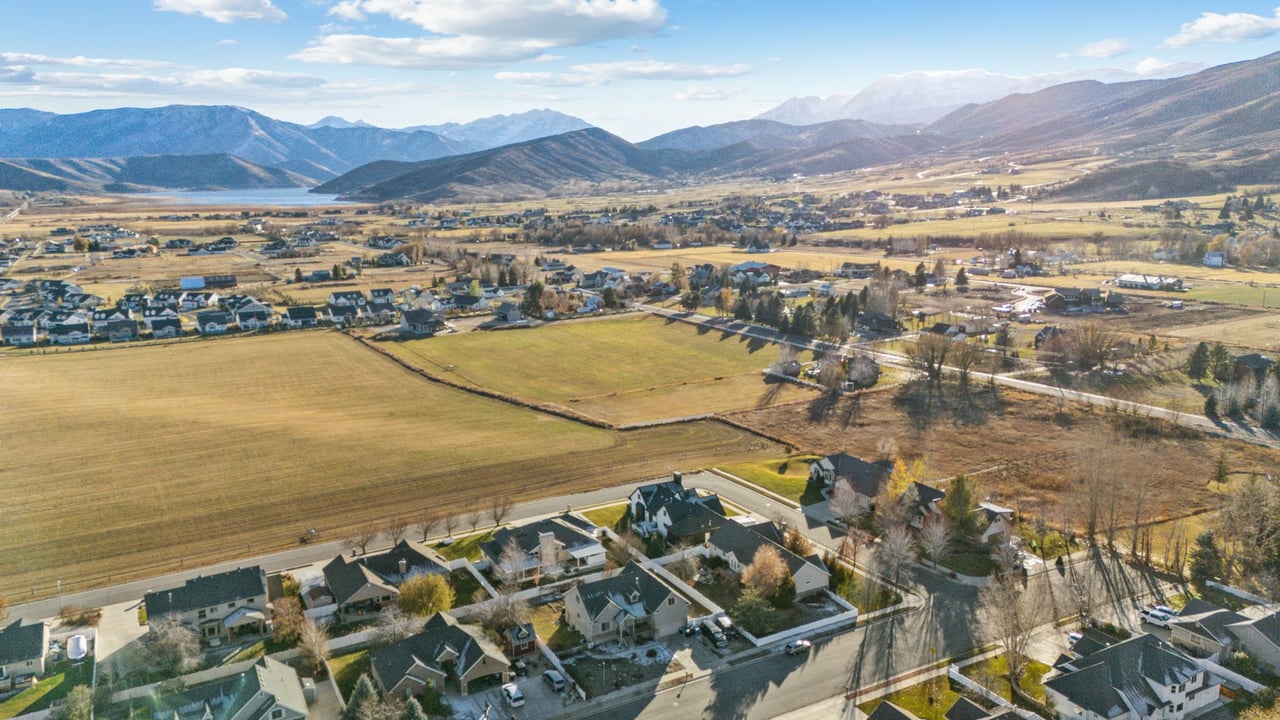
Set beneath the dramatic ridgelines of the Wasatch Mountains in Utah's picturesque Heber Valley, Midway is one of the most distinctive mountain communities on the Wasatch Back. Known for its Swiss-influenced architecture, pastoral landscapes, historic character and extraordinary access to outdoor recreation, Midway offers something increasingly difficult to find in a celebrated mountain destination: a genuine sense of place.
The community feels worlds removed from metropolitan life, yet it occupies a remarkably strategic location near Park City, Deer Valley, Heber City, Sundance and the Provo River corridor, with Salt Lake City International Airport approximately 45 minutes from the greater Heber Valley. That balance—mountain seclusion without true isolation—is central to Midway's enduring appeal.
For those exploring Midway, Utah real estate, the attraction extends far beyond the homes themselves. This is a community defined by scenery and experience: mornings framed by mountain light, golf courses woven into the foothills, miles of trails ascending into national forest and state park land, Nordic skiing across an Olympic landscape, blue-ribbon fishing nearby, and summer evenings that still feel connected to the agricultural heritage of the valley.
Midway is refined without being ostentatious, historic without feeling frozen in time, and recreational without functioning solely as a resort town.
Midway's character was not manufactured for tourism. Its roots reach back to the earliest settlement of the Heber Valley.
A wagon road through Provo Canyon was completed in 1858, opening the area to settlement, and families began establishing communities along Snake Creek in 1859. Two early settlements developed in the area—an upper and lower settlement—and the community that eventually emerged between them became known as Midway.
Swiss immigrants became an important part of the region's cultural history during the nineteenth century. The surrounding alpine landscape—with green meadows, mountain peaks and a cooler high-elevation climate—helped inspire Midway's enduring association with Switzerland. Utah historical sources have long referred to the area as “Utah's Switzerland.”
That heritage remains visible today.
Historic stone structures, Swiss-inspired architectural details, steep rooflines, timber accents, flower-filled streetscapes and Alpine motifs contribute to an architectural vocabulary unlike virtually anywhere else in Utah. Pioneer-era “pot-rock” homes and historic civic buildings remain part of the community's physical landscape, giving Midway an authenticity that cannot be replicated by a newly constructed resort village.
The result is a town with a recognizable visual identity—one that feels equally appropriate beneath deep winter snow or against the green pastures and brilliant blue skies of summer.
The heart of Midway retains a distinctly small-town scale, with local businesses, restaurants, historic buildings, gathering spaces and residential streets radiating outward toward the surrounding valley.
Perhaps no event reflects Midway's cultural heritage more clearly than Swiss Days, the community's long-running annual celebration of its Swiss influence. The tradition began in the 1940s as a local agricultural market and developed into a major celebration featuring food, music, arts, crafts and cultural traditions.
It is emblematic of what distinguishes Midway from many mountain destinations. Visitors certainly come here, but Midway has always been more than a collection of resorts and vacation properties. Agriculture, local traditions, historic homes, working landscapes and community institutions remain visible parts of its identity.
That continuity gives Midway a grounded quality that is increasingly rare throughout the American West.
Midway sits within one of Utah's most recreation-rich environments.
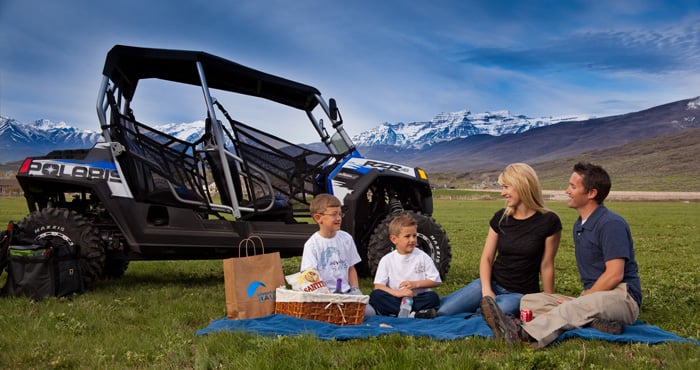
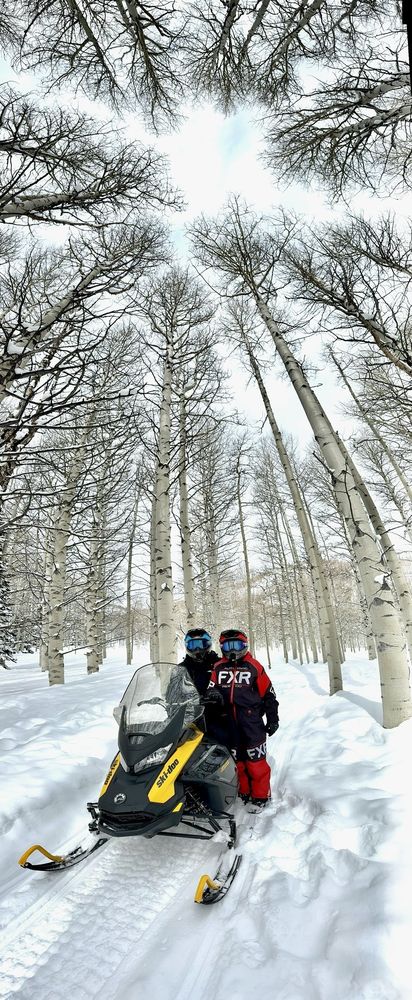
Immediately adjacent to town, Wasatch Mountain State Park provides year-round access to an enormous mountain playground. Depending on the season, the park supports hiking, mountain biking, horseback riding, camping, ATV recreation, snowshoeing, skiing and snowmobiling. It is also home to extensive golf facilities set against the slopes above Heber Valley.
For residents, this means recreation is not something reserved for an occasional weekend excursion. It is integrated into daily life.
A morning may begin on a mountain trail, transition to an afternoon round of golf and end with dinner beneath the Wasatch peaks. Winter exchanges hiking shoes for skis and snowshoes, while summer opens the surrounding reservoirs, rivers, trails and golf courses.
The landscape changes dramatically with the seasons, but Midway's relationship with the outdoors does not.
Just outside the center of Midway lies Soldier Hollow, one of Utah's most important Olympic recreation venues.
The area played a significant role during the 2002 Olympic Winter Games and continues to operate as an outdoor recreation and training destination. Today, Soldier Hollow offers Nordic skiing and other winter activities along with biking, biathlon experiences, trails and warm-weather recreation.
That Olympic legacy gives Midway an unusual dimension.
Few small Western towns can offer historic agricultural landscapes, Swiss architecture, luxury mountain residences and an internationally recognized Olympic venue within the same immediate environment.
For golfers, Soldier Hollow also contains a 36-hole championship golf complex, with the Gold and Silver courses positioned on the mountainside overlooking Heber Valley.
Golf is an important part of the Midway and greater Heber Valley lifestyle.
The surrounding valley offers several notable courses, including facilities at Soldier Hollow, Wasatch Mountain and Homestead, creating an unusually concentrated collection of mountain golf opportunities. Heber Valley tourism authorities describe the broader area as offering approximately 90 holes of mountain golf.
The setting is as memorable as the golf itself.
Courses wind through foothills, native vegetation and open alpine terrain with long views across Heber Valley toward Mount Timpanogos and the surrounding Wasatch peaks.
For buyers considering a primary residence, second home or luxury mountain retreat, access to this volume of golf without leaving the immediate valley is a significant component of Midway's recreational appeal.
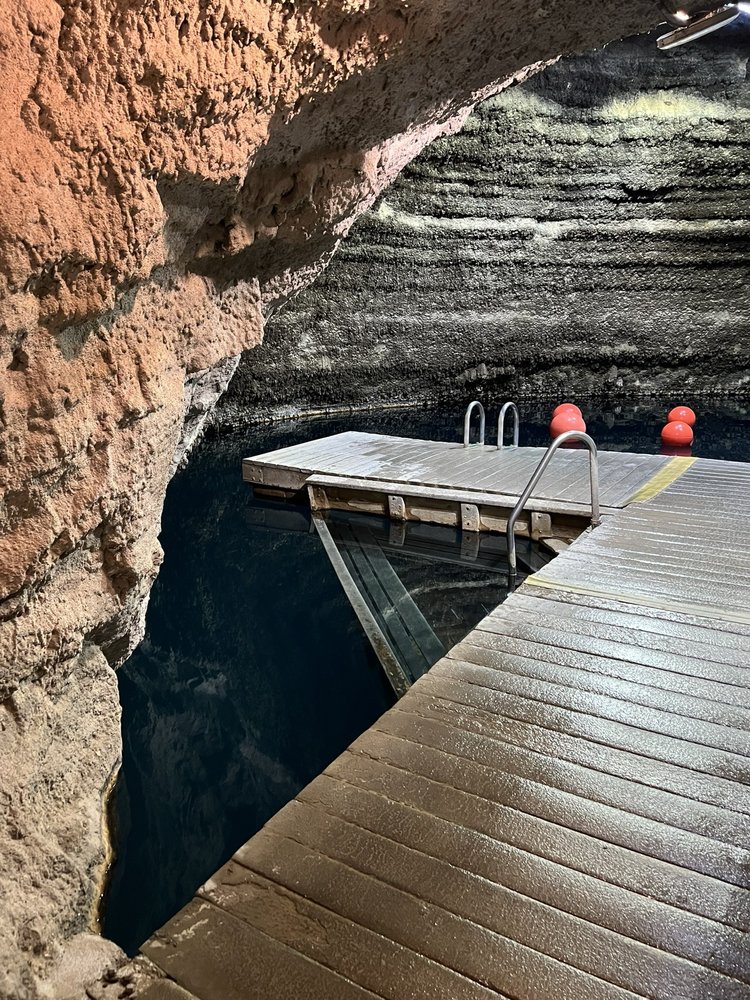
Among Midway's most unusual natural landmarks is The Crater at Homestead, a geothermal spring concealed within a limestone dome.
The naturally heated mineral water remains approximately 96 degrees Fahrenheit and is used for soaking, swimming, snorkeling and scuba diving throughout the year.
It is a particularly Midway experience: geothermal geology, mountain scenery and resort history combined into something that exists nowhere else in quite the same form.
Nearby Homestead and other established hospitality properties reinforce Midway's long history as a place where visitors have come to experience the restorative qualities of the mountain environment.
Although Midway is widely associated with winter, its warmer months may be equally compelling.
The greater Heber Valley provides convenient access to Deer Creek Reservoir, where boating, fishing and watersports become a central part of summer recreation. Nearby river corridors provide additional opportunities for fishing and outdoor exploration.
The Provo River is particularly notable. Utah tourism authorities identify a section of the river as a Blue Ribbon fishery, with more than 15 miles of angling access and established populations of brown and rainbow trout.
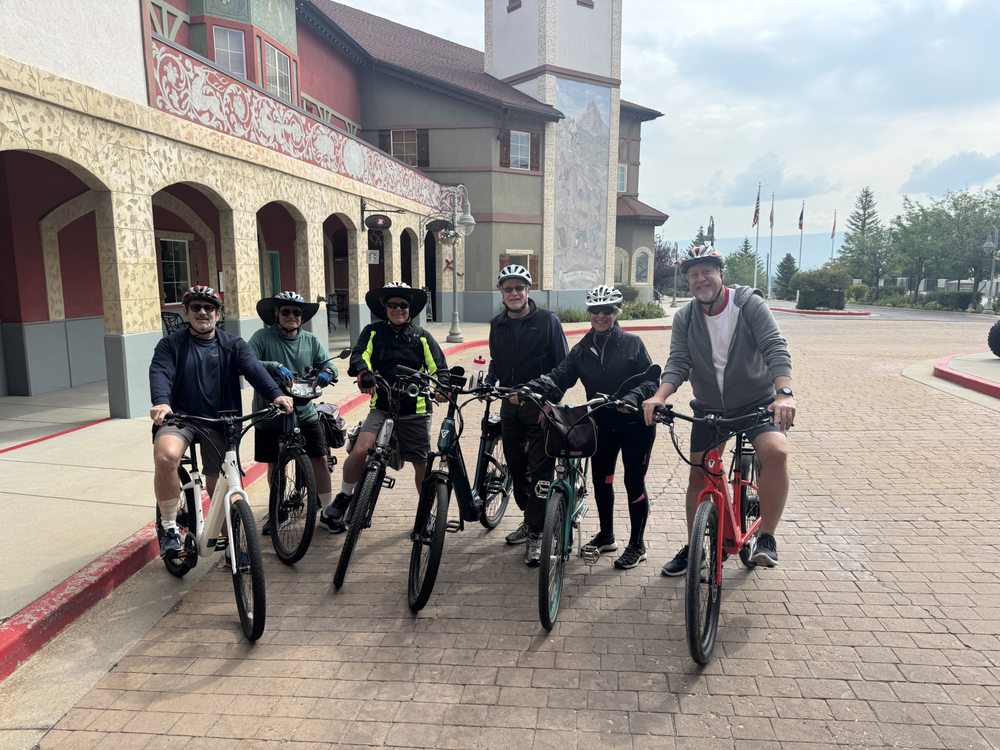
Mountain biking, road cycling, horseback riding, hiking, camping and scenic drives fill out the warmer seasons.
Autumn transforms the surrounding mountains into bands of gold, rust and red before winter returns the valley to snow.
In Midway, “four-season community” is not marketing shorthand. Each season meaningfully changes how the landscape is experienced.
One of Midway's greatest advantages is its relationship with the surrounding Wasatch Back.
Park City and Deer Valley are nearby, providing access to internationally recognized skiing, restaurants, galleries, shopping, cultural events and resort amenities. Sundance Mountain Resort is also within the broader mountain corridor, while Heber City provides additional everyday commercial services within the valley. Heber Valley's official tourism organization specifically highlights the area's proximity to Deer Valley and Sundance as well as its access to Salt Lake City International Airport.
Yet living in Midway feels distinctly different from living inside Park City's primary resort corridor.
The visual experience is broader and more pastoral. Agricultural parcels, mature trees, mountain foothills and open land remain an important part of the landscape. Homes frequently occupy settings with expansive mountain or valley views, and many residential areas reflect a lower-density mountain character.
For some buyers, that contrast is precisely the point.
Midway allows residents to participate in the Park City and Deer Valley lifestyle while returning home to an environment with its own architectural tradition, history and rhythm.
The Midway real estate market reflects the diversity of the landscape itself.
Properties can include historic residences near the traditional center of town, contemporary mountain homes, Swiss-inspired residences, golf-oriented properties, townhomes and condominiums, newer planned communities, luxury estates and homes positioned to capture commanding views across Heber Valley and the Wasatch Mountains.
Architectural expression ranges from traditional mountain and Alpine influences to increasingly sophisticated contemporary design. Natural stone, heavy timber, expansive glass, steep rooflines and indoor-outdoor living are common themes, although individual neighborhoods and developments have their own architectural standards and character.
At the upper end of the market, luxury homes in Midway, Utah increasingly compete not merely on square footage, but on setting: view corridors, privacy, acreage, architectural quality, outdoor living, proximity to recreation and the ability to connect directly with the surrounding mountain environment.
That distinction matters.
Midway's luxury is often quieter than the conspicuous resort architecture found elsewhere. It can mean waking to unobstructed views of the Wasatch Mountains, stepping directly onto a trail, having room for outdoor living and recreation equipment, reaching a golf course within minutes, or being close enough to Deer Valley for skiing and dinner while living beyond the intensity of the resort core.
Midway's appeal is ultimately difficult to reduce to a checklist of amenities.
It is the juxtaposition that makes the town remarkable.
Historic stone homes and contemporary mountain architecture.
Pastures and championship golf.
Olympic Nordic trails and quiet residential streets.
Geothermal springs and snow-covered mountains.
A Swiss cultural legacy alongside modern luxury development.
Park City sophistication within reach, yet enough geographical separation to preserve an unmistakably different atmosphere.
The community attracts those who value the mountains not simply as a backdrop, but as part of everyday life.
Here, recreation does not require elaborate planning. Trails, golf, fishing, skiing, cycling, horseback riding and water recreation are woven into the geography of the valley. The mountain scenery is omnipresent, but Midway possesses something more consequential than scenery alone: identity.
For buyers searching for homes for sale in Midway, Utah, luxury real estate in Heber Valley, a second home on the Wasatch Back, or a permanent mountain residence near Park City and Deer Valley, Midway presents a compelling alternative to a conventional resort community.
It offers access without sacrificing character.
Recreation without surrendering history.
Luxury without requiring spectacle.
And mountain living with enough depth to remain interesting long after the first spectacular view becomes familiar.
Midway is not simply near the mountains. It belongs to them.
6,926 people live in MIDWAY, UATH, where the median age is 38 and the average individual income is $70,079. Data provided by the U.S. Census Bureau.
Total Population
Median Age
Population Density Population Density This is the number of people per square mile in a neighborhood.
Average individual Income
There's plenty to do around MIDWAY, UATH, including shopping, dining, nightlife, parks, and more. Data provided by Walk Score and Yelp.
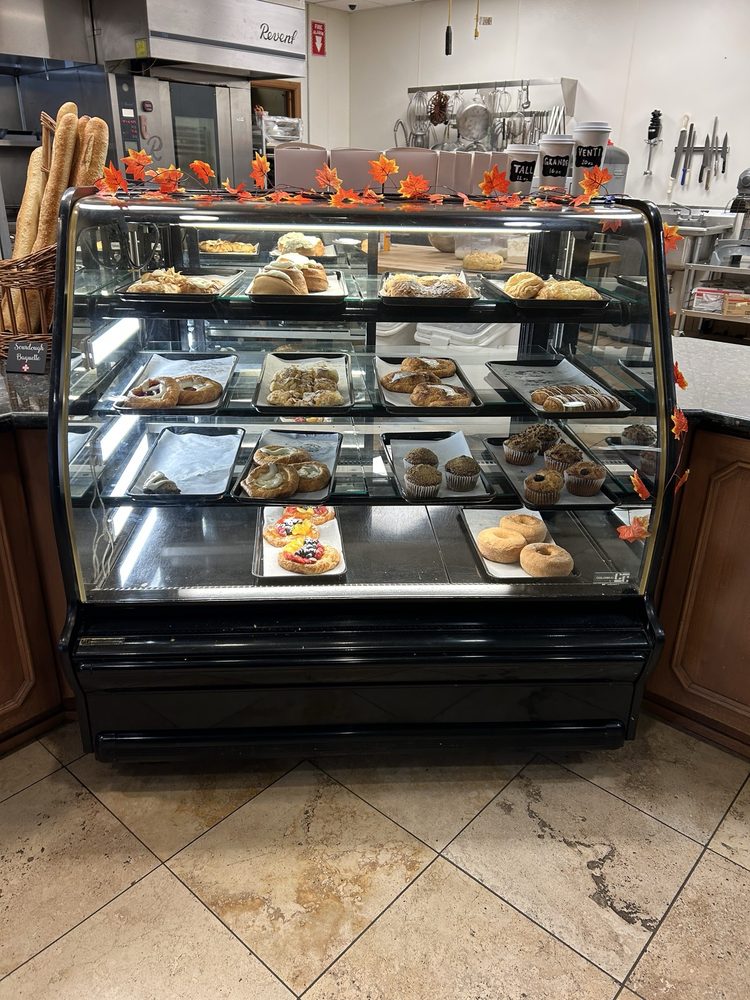
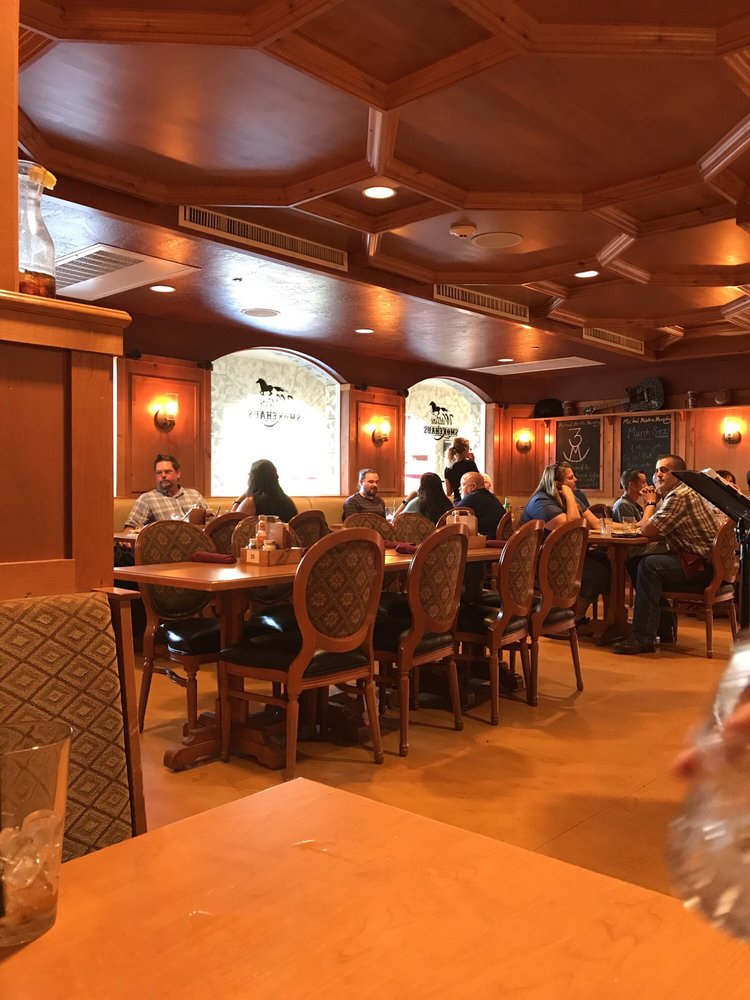
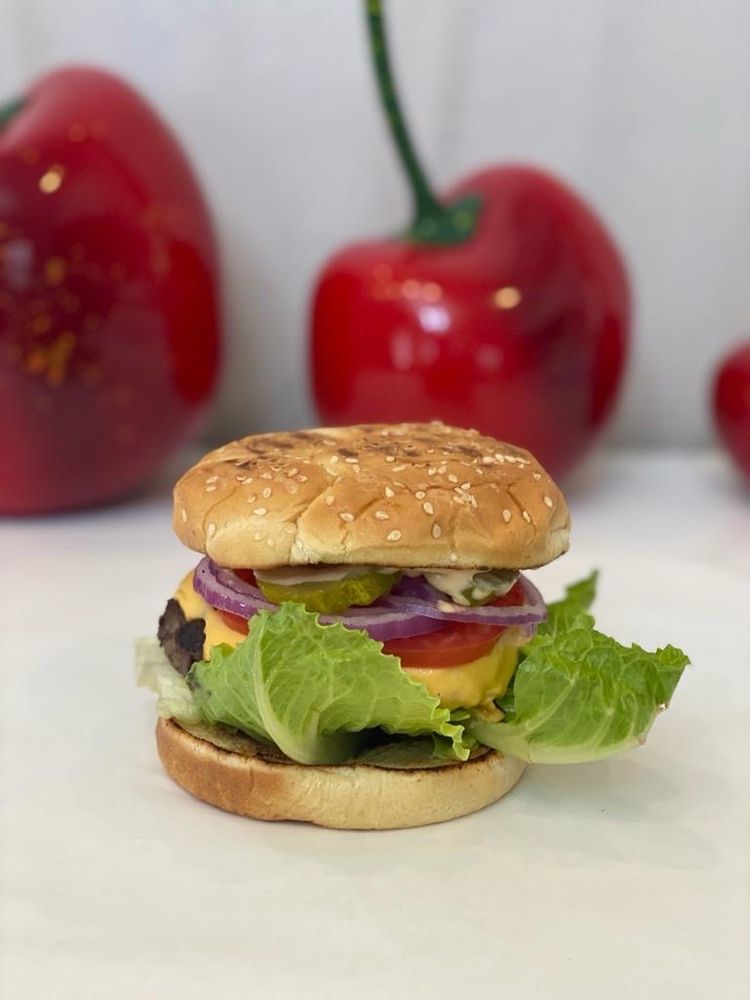
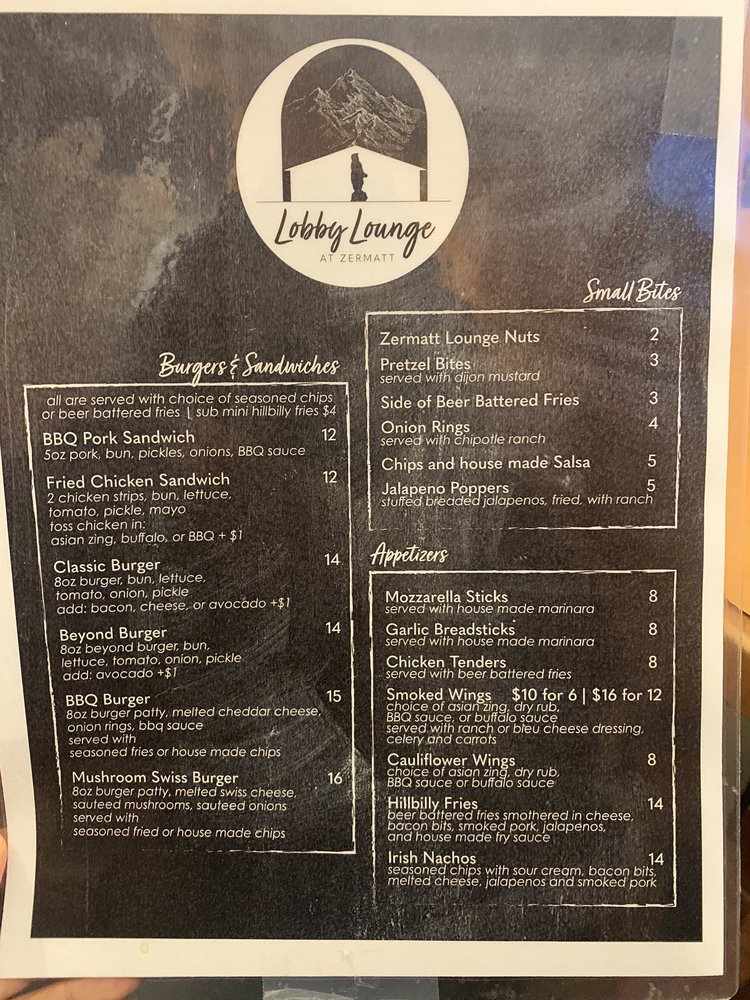
Explore popular things to do in the area, including The Bakery at Zermatt Utah, Lobby Lounge at Zermatt Utah, and Fat Jack's Burger Emporium.
| Name | Category | Distance | Reviews |
Ratings by
Yelp
|
|---|---|---|---|---|
| Dining | 1.65 miles | 23 reviews | 4.2/5 stars | |
| Dining · $$ | 1.65 miles | 120 reviews | 3.6/5 stars | |
| Dining | 1.65 miles | 1 review | 5/5 stars | |
| Dining · $$$ | 1.91 miles | 183 reviews | 4.3/5 stars | |
| Dining | 1.97 miles | 0 reviews | 0/5 stars | |
| Dining | 1.97 miles | 0 reviews | 0/5 stars | |
| Dining | 2.09 miles | 3 reviews | 5/5 stars | |
| Dining | 2.09 miles | 10 reviews | 3.9/5 stars | |
| Shopping | 2.08 miles | 5 reviews | 4.2/5 stars | |
| Shopping | 2.08 miles | 7 reviews | 5/5 stars | |
| Shopping | 2.08 miles | 1 review | 5/5 stars | |
| Shopping | 2.08 miles | 0 reviews | 0/5 stars | |
| Active | 1.2 miles | 14 reviews | 4.5/5 stars | |
| Active | 1.63 miles | 0 reviews | 0/5 stars | |
| Active | 1.67 miles | 33 reviews | 4.6/5 stars | |
| Active | 1.67 miles | 0 reviews | 0/5 stars | |
| Active | 1.78 miles | 16 reviews | 5/5 stars | |
| Active | 1.81 miles | 210 reviews | 3.5/5 stars | |
| Active | 1.84 miles | 14 reviews | 2.8/5 stars | |
| Active | 2.01 miles | 153 reviews | 4.8/5 stars | |
| Active | 2.01 miles | 0 reviews | 0/5 stars | |
| Nightlife | 1.62 miles | 3 reviews | 4.3/5 stars | |
| Beauty | 1.61 miles | 6 reviews | 4.2/5 stars | |
| Beauty | 2.07 miles | 0 reviews | 0/5 stars | |
|
|
||||
|
|
||||
|
|
||||
|
|
||||
|
|
||||
|
|
MIDWAY, UATH has 2,386 households, with an average household size of 2.9. Data provided by the U.S. Census Bureau. Here’s what the people living in MIDWAY, UATH do for work — and how long it takes them to get there. Data provided by the U.S. Census Bureau. 6,926 people call MIDWAY, UATH home. The population density is 93 and the largest age group is Data provided by the U.S. Census Bureau.
Total Population
Population Density Population Density This is the number of people per square mile in a neighborhood.
Median Age
Men vs Women
Population by Age Group
0-9 Years
10-17 Years
18-24 Years
25-64 Years
65-74 Years
75+ Years
Education Level
Total Households
Average Household Size
Average individual Income
Households with Children
With Children:
Without Children:
Marital Status
Blue vs White Collar Workers
Blue Collar:
White Collar: