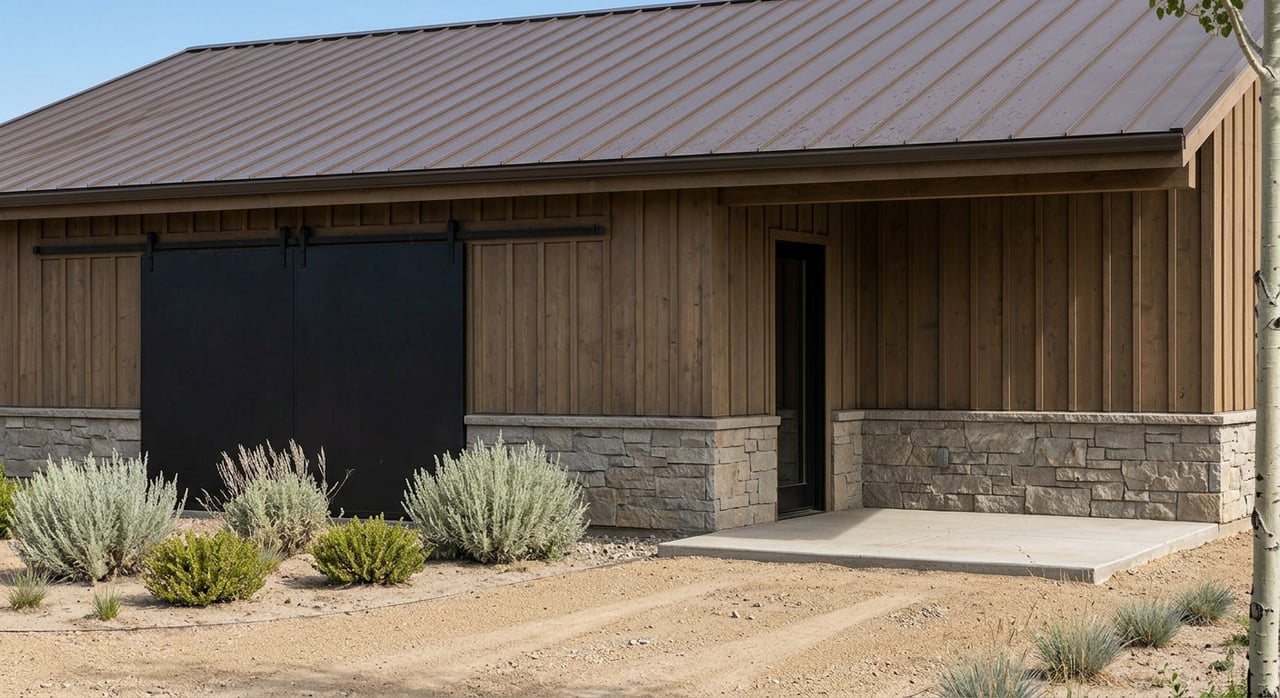
A legacy ranch in Oakley can offer something rare: room to breathe, a working landscape, and a long-term sense of place. But buying one is not the same as buying a typical acreage property. In Oakley, value often comes from a mix of land, water, recorded rights, access, and use restrictions, so careful due diligence matters from the start. If you are considering a ranch purchase in Summit County, this guide will help you focus on the issues that deserve a closer look. Let’s dive in.
Why legacy ranches require deeper review
A ranch purchase in Oakley is often a layered asset, not just a tract of land with fences and views. The property may include irrigation systems, water rights, easements, agricultural tax status, conservation restrictions, and structures that each need separate review.
Oakley City’s land-use framework is designed to preserve agricultural land, rural character, open space, and the right to farm. The city also states that more restrictive private deed restrictions or covenants can control over city code. That means your review should go beyond zoning and into title, plats, recorded agreements, and property history.
Confirm jurisdiction first
Before you evaluate improvements, future plans, or even carrying costs, confirm whether the ranch is inside Oakley City, in unincorporated Summit County, or affected by both through related land or rights. This is one of the first practical steps because land-use rules can depend on where the parcel sits.
Oakley’s general plan and development code emphasize agricultural preservation and compatibility with surrounding uses. If a parcel falls outside city limits, Summit County rules may apply instead. A boundary check is often the starting point for understanding what standards govern the property.
Why jurisdiction affects your plans
Jurisdiction can shape what you may be able to build, how access is reviewed, and what development standards apply to any future changes. Even if the ranch looks straightforward on the ground, the governing rules may not be.
For buyers thinking long term, this matters. Plans for a barn, guest space, agricultural employee housing, storage, or a future split should be evaluated only after confirming which rules apply.
Title matters as much as acreage
With a legacy ranch, what is recorded can matter as much as what you can see. Oakley’s code makes clear that private covenants and deed restrictions may be more restrictive than city standards, and those private restrictions can still control.
That is why a buyer should review the title commitment, recorded plat, CCRs if any exist, conservation-easement documents, and any irrigation or access easements before making assumptions. A beautiful parcel may still have limits on building locations, access routes, subdivision potential, or use of outbuildings.
Look closely at recorded easements
Access easements and irrigation easements can materially affect how a ranch functions day to day. They may define who can cross the land, where a road must remain open, or who has the right to operate and maintain a ditch.
These are not small details. On a working or legacy property, easements can affect privacy, operations, maintenance obligations, and future improvement plans.
Water rights are a separate asset
In Utah, water rights are their own asset and deserve their own review. The state defines water rights by who may use the water, where it may be used, when it may be used, and for what purpose.
That means you should not assume the presence of a ditch, pond, headgate, or irrigation delivery tells the full story. If your intended use would differ from the approved conditions, state approval may be required through the Division of Water Rights.
Know what kind of water the ranch has
One of the most important questions is not simply whether water exists, but what kind of water exists. The ranch may have decreed irrigation rights, ditch-company deliveries, pressurized irrigation, culinary service, or some combination.
Those categories are not interchangeable. Oakley’s code specifically recognizes that irrigation water and domestic water are different systems, and movement of water rights to city culinary sources may require a state change application.
Oakley places real emphasis on irrigation systems
Oakley’s code says nonagricultural development should preserve productive agricultural land and protect the integrity of existing irrigation patterns and systems. Surface irrigation ditches must be mapped, and adequate easements of record are required for operation and maintenance.
For a buyer, this is a clear signal: review the water-right documents, ditch-company agreements, and recorded irrigation easements before closing. If the property may be developed or subdivided in the future, water planning will likely become even more important.
Grazing rights may not transfer with the land
If part of the ranch’s value is tied to grazing on public land, do not assume that right automatically transfers with the deed. Grazing permits or leases are separate operating rights, and the transfer process may depend on the agency and permit terms.
Research from federal land managers shows that grazing in Utah is administered through permits and leases, with information tied to the base property and permit conditions. In practical terms, if grazing is central to your purchase, that piece should be verified separately from title to the land itself.
Review agricultural tax status carefully
Agricultural tax treatment can have a real effect on annual holding costs. Utah’s Farmland Assessment Act allows qualifying agricultural land to be taxed based on productive value rather than market value.
Qualification generally depends on factors such as acreage, active agricultural use, and management with a reasonable expectation of profit. The state also notes that rollback tax may apply if the property leaves agricultural use, so a buyer should understand both current status and possible future exposure.
Questions worth asking before closing
If the ranch appears to benefit from agricultural valuation, it is wise to confirm:
- Whether the land currently qualifies under state rules
- How long it has been devoted to agricultural use
- Whether any leased agricultural use is part of that qualification
- Whether your intended use could trigger rollback tax
These details can affect your ownership costs more than many buyers expect.
Conservation easements can shape the ranch’s future
Some legacy ranches carry conservation easements, and those restrictions can be permanent. Utah law defines a conservation easement as a recorded interest that runs with the land and may preserve land or water areas in natural, scenic, open, agricultural, cultural, recreational, or wildlife-habitat condition.
That does not automatically mean the property loses its value or utility. It does mean the exact document matters. Permitted buildings, driveway locations, fencing, parcel splits, employee housing, and future development rights may all be limited by the recorded terms.
Access is more than a driveway
A long road leading to the ranch house can look settled and obvious, but access is still a title issue. Summit County records and plat maps help establish what is legally recorded, while Oakley’s code addresses emergency access, ingress and egress, driveway widths, and private access road standards.
Just as important, Summit County Public Works maintains designated county roads. A ranch road that serves the property may not be county maintained, so maintenance responsibility should be confirmed in the title and plat record.
Why access review is essential
Access review is about more than convenience. It can affect financing, insurability, maintenance planning, emergency service expectations, and the practical use of the property in every season.
For a larger acreage holding, recorded access terms can also influence where you place gates, barns, equipment storage, or future improvements.
Barns, ADUs, and accessory structures need code review
Many buyers of legacy ranches think beyond the main residence. You may be considering a barn conversion, guest quarters, equipment storage, hay storage, a workshop, or housing tied to an agricultural operation.
Oakley regulates these uses. The city allows accessory dwelling units up to 1,000 square feet, and in some cases those units may be located within or attached to a larger detached accessory structure such as a barn or garage.
Agricultural employee housing has separate rules
Oakley also allows agricultural employee dwelling units up to 2,000 square feet, but they require proof of a viable agricultural operation and a restrictive covenant tying the unit to the parcel. That is an important distinction for buyers planning multigenerational or operation-related housing.
As always, assumptions can be expensive. A structure that appears ideal for future conversion still needs to be reviewed against current zoning and permit requirements.
Even storage choices can be regulated
Oakley also regulates shipping containers. In agricultural operations within AR zones, non-screened containers may be allowed with proof of use, while residential sites generally require screening and permits, and all containers must meet accessory-structure setback rules.
For ranch buyers, this is a useful reminder that operational flexibility still lives within a regulatory framework. Everyday utility structures deserve the same review as major buildings.
Setbacks can change the buildable envelope
On a legacy parcel, usable land and buildable land are not always the same. Oakley’s code includes standard setbacks as well as special setbacks tied to wetlands, rivers or perennial streams, lakes or natural ponds, and Forest Service boundaries.
Accessory structures must also meet setback requirements. So if you are imagining an arena, workshop, detached garage, hay barn, or additional dwelling space, the actual buildable envelope may be narrower than the parcel map suggests.
A practical due-diligence checklist
Before moving forward on an Oakley ranch, it helps to organize your review around the issues most likely to affect value and use.
- Confirm whether the parcel is inside Oakley City or in unincorporated Summit County
- Review the title commitment, recorded plat, CCRs, and any conservation-easement documents
- Verify irrigation easements, access easements, and maintenance obligations
- Confirm the exact water rights, place of use, and whether a change in use would require state approval
- If grazing is part of the value, verify the agency, permit terms, base property, and transfer process
- Check current agricultural tax status and possible rollback exposure
- Review any plans for barns, garages, ADUs, employee housing, sheds, arenas, or containers against local code and setbacks
The right ranch purchase starts with the right questions
A legacy ranch in Oakley can be deeply rewarding, whether you are seeking a working property, an equestrian holding, or a private long-horizon investment in the Wasatch Back. The key is to approach it with clear eyes and a disciplined review of the rights, restrictions, and operating details that shape real ownership.
That kind of purchase deserves thoughtful guidance, discretion, and a local understanding of how land, lifestyle, and long-term value come together. If you are considering an Oakley ranch and want a private, tailored advisory experience, connect with Paula Higman for a confidential consultation.
FAQs
What should buyers review before buying a legacy ranch in Oakley?
- Buyers should confirm jurisdiction, review title and plats, examine any CCRs or conservation easements, verify water rights and irrigation easements, check access records, and evaluate tax status and zoning for planned structures.
Do water rights automatically come with a ranch purchase in Oakley?
- Not necessarily. In Utah, water rights are a separate asset, and buyers should verify the exact rights, place of use, and whether any intended change would require state approval.
Can private deed restrictions affect an Oakley ranch even if zoning allows a use?
- Yes. Oakley’s code states that more restrictive private land-use regulations in deeds or covenants can still control.
Do grazing permits transfer with legacy ranch property in Summit County?
- Buyers should not assume they do. Grazing on public land is often governed by separate permits or leases, and transfer terms should be verified independently from the deed.
Can buyers add an ADU or barn apartment on a ranch in Oakley?
- Possibly, but the proposal must be reviewed under Oakley’s rules for accessory dwelling units, setbacks, parking, utilities, and any applicable restrictions tied to the parcel.
Why is access review important when buying a ranch in Oakley?
- Access affects legal use, maintenance responsibility, emergency access, and future improvements. A visible road does not always confirm recorded, county-maintained access.