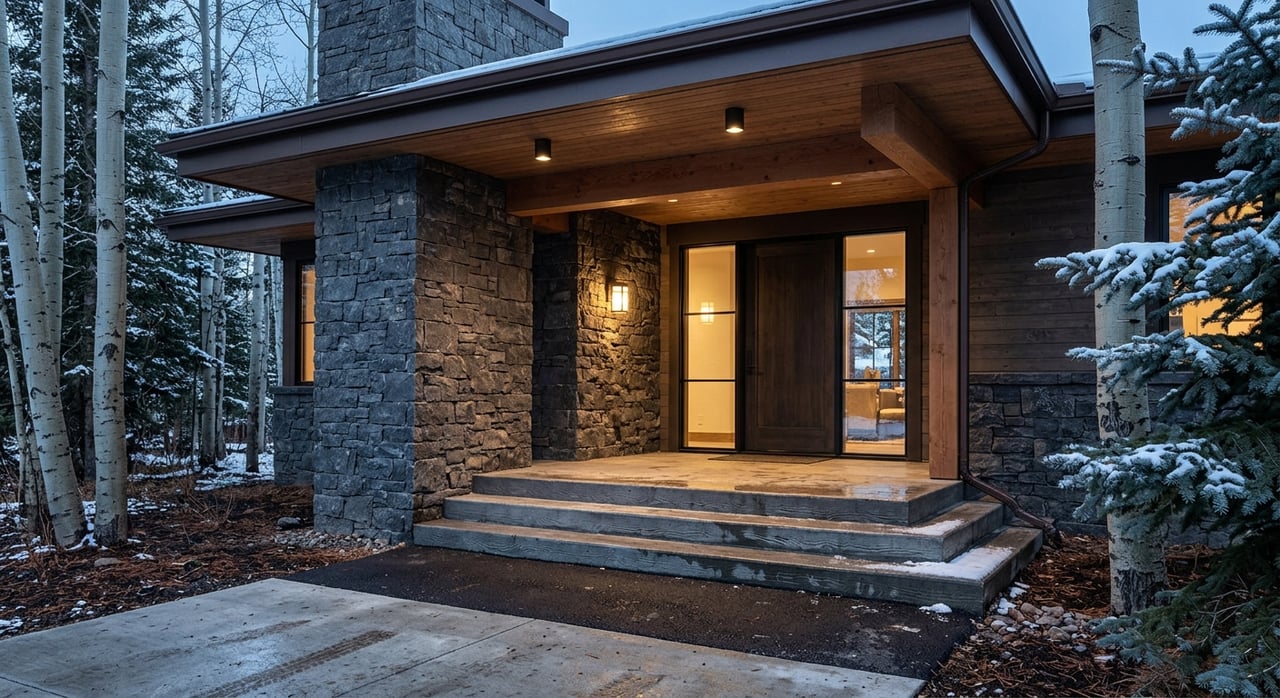
Dreaming about a Sundance cabin is easy. Understanding how access, utilities, HOA rules, and rental limits actually work is where smart ownership begins. If you are considering a cabin in the 84604 area, you need more than a pretty setting and a floor plan you love. You need clarity on what you can do with the property in every season. This guide walks you through the practical side of owning in Sundance so you can evaluate a purchase with confidence. Let’s dive in.
Why Sundance Ownership Is Different
Sundance offers a distinct mountain setting, but ownership here is not as simple as buying within one clearly defined city system. The 84604 ZIP code includes a mountain resort area, and the rules that affect a property can vary based on the parcel’s exact jurisdiction and recorded documents. That means you should never assume that two cabins with a Sundance address have the same rental rights, access conditions, or ownership structure.
The most accurate way to think about Sundance is as a place where lifestyle and logistics meet. The setting is scenic and private, yet the ownership details can include resort access considerations, district-served utilities, association governance, and local licensing requirements. Before you make an offer, it helps to verify the parcel first and admire the view second.
Start With The Parcel
Your first step is to identify exactly where the property sits from a jurisdictional standpoint. That matters because rental rules, business licensing, and use limitations may depend on whether the parcel falls under Provo City or unincorporated Utah County. In Sundance, the address alone does not tell the full story.
This is especially important if you plan to use the cabin as a second home with occasional rental income. Utah County notes that it handles business licensing for unincorporated Utah County and may require zone clearance and inspections where applicable. You can review that framework through the county’s business licensing department.
If a property is within Provo City jurisdiction, short-term rental rules are more specific. According to the city’s short-term rental licensing page, short-term rentals require a commercial business license and are not permitted in residential zones. They are allowed only in certain listed zones, which makes parcel-level confirmation essential before you treat a cabin as a rental property.
Winter Access Matters More Than You Think
A Sundance cabin can feel wonderfully tucked away, but that mountain character comes with real access considerations. Sundance Mountain Resort lists its address as 8841 N. Alpine Loop Road and describes the route as a winding mountain road off Provo Canyon. In other words, this is not suburban access with the same driving conditions year-round.
In winter, the resort recommends four-wheel drive when storms hit. It also offers a winter Park ’n’ Ride from Mt Timpanogos Park and seasonal UTA bus service for pass holders, as outlined on the resort’s getting here page. If you are buying for frequent winter use, that should be part of your planning from the start.
You should also understand that the Alpine Loop is not a dependable secondary route in winter. UDOT’s seasonal roads guidance states that SR-92 American Fork Canyon and Alpine Loop is typically closed from November through May or June. For owners, that means access planning should assume seasonal limits, not optional detours.
A resort mountain-home listing further reinforces the point by stating that 4x4 vehicles are required in winter months. Even if the cabin you buy is privately owned, this gives you a realistic picture of local winter expectations.
Utilities Are Part Of Due Diligence
In mountain markets, utility service deserves close review. The North Fork Special Service District states that it provides water, wastewater, fire, EMS, and garbage service to the North Fork community, with offices on Alpine Loop Road in 84604. That makes district service an important part of the ownership picture for many Sundance-area properties.
You should also pay attention to recorded easements and service rights. Utah County land records for Sundance-area parcels show easements involving North Fork Special Service District and Rocky Mountain Power, which is a useful reminder that utility access can be tied to legal documents, not just visible infrastructure. For a buyer, this means the cabin itself is only part of the story. The paper trail matters too.
At the resort level, Sundance describes a strong sustainability ethos. Its Earth Advocates page notes that lodging water comes from local mountain-fed springs and resort operations are powered by renewable solar and wind electricity. That does not guarantee the same setup for every private parcel, but it does help frame the broader operating environment in Sundance.
HOA And Common-Area Rules Can Be Decisive
Many buyers picture a cabin purchase as simple standalone ownership. In Sundance, that is not always the case. Utah County records show Sundance-area properties associated with entities such as Village Homes at Sundance Mountain Resort Association Inc., Village Homes at Sundance Mountain Resort Homes Association Inc., and Ridge Lots at Sundance Community Preserve Owners Association Inc.
Those same records also identify common-area parcels, which suggests that some ownership patterns here are structured around shared spaces and association governance. That can affect maintenance obligations, access, architectural standards, use restrictions, and owner responsibilities. It may also shape what kind of rental activity is allowed, even when local government rules would otherwise permit it.
For you as a buyer, this means HOA documents and recorded covenants should be reviewed with the same care as the cabin condition and title work. In a mountain community, shared-road obligations, common-area rights, and protective covenants can shape your day-to-day experience just as much as the property itself.
Rental Rules Depend On Exact Location
If rental income is part of your plan, this is the area where assumptions can get expensive. The word “Sundance” does not create a uniform rental policy. Local jurisdiction, zoning, business licensing, HOA rules, and any resort-related use limits can all affect what is allowed.
In Provo, the city separates short-term rentals from longer-term rentals. Its FAQ guidance defines a rental dwelling as a residence available for rent for one month or longer. That distinction matters because shorter stays fall into a different regulatory category.
At the state level, Utah notes that local governments may regulate or condition short-term rentals and may require permits or business licenses before operation. The state also says local governments may not ban the mere listing of a short-term rental on a website or penalize someone solely for listing it, according to Utah property rights guidance. Even so, the right to list is not the same as the right to operate.
If a home is resort-managed or tied to resort lodging rules, there may be another layer of use limits. For example, Sundance states on one mountain-home page that events or weddings are not permitted in mountain homes, occupancy limits cannot be exceeded, and some homes have minimum-stay rules. These details, available on the Wild West Lodge page, show why operating terms should be reviewed before you underwrite a cabin as an income-producing asset.
What To Verify Before You Buy
A cabin in Sundance can be a remarkable lifestyle purchase, but the right property is the one that matches how you actually plan to use it. Before moving forward, focus on verification rather than assumptions.
Here is a practical checklist to guide your due diligence:
- Confirm the parcel’s exact jurisdiction.
- Review zoning and whether short-term rentals are allowed.
- Verify whether a business license or permit is required.
- Read all HOA, association, plat, and covenant documents.
- Check for recorded utility and access easements.
- Ask how winter access is handled during storms.
- Confirm whether the property has any occupancy, event, or minimum-stay restrictions.
- Evaluate whether the cabin’s road access and parking fit your intended use year-round.
This kind of upfront review helps protect both your lifestyle goals and your long-term value. In a market like Sundance, due diligence is not a formality. It is part of buying well.
A Strategic Approach To Sundance Cabins
Sundance ownership can be deeply rewarding when you buy with a clear understanding of how the property functions in real life. The appeal is obvious: mountain setting, privacy, and a one-of-a-kind resort atmosphere. The opportunity becomes even stronger when you pair that appeal with disciplined review of access, utility service, association documents, and rental rules.
If you are considering a Sundance cabin as a second home, legacy retreat, or carefully planned lifestyle investment, tailored guidance matters. Paula Higman offers discreet, high-touch advisory for mountain properties where nuance makes all the difference.
FAQs
What should you verify first when buying a cabin in Sundance?
- You should verify the property’s exact parcel location and jurisdiction first, because rental rules, licensing, and use restrictions may depend on whether it falls within Provo City or unincorporated Utah County.
What is winter access like for cabins in Sundance, Utah?
- Winter access can be weather-sensitive, and Sundance Mountain Resort recommends four-wheel drive during storms, while UDOT notes the Alpine Loop is typically closed seasonally from November through May or June.
Are short-term rentals allowed for all Sundance cabins?
- No. Short-term rental permissions depend on the exact parcel location, local zoning, licensing requirements, and any HOA or resort-related restrictions tied to the property.
What utility provider serves parts of the Sundance 84604 area?
- The North Fork Special Service District states that it provides water, wastewater, fire, EMS, and garbage service to the North Fork community in the Sundance area.
Do Sundance cabins always come with HOA rules?
- Not always, but many Sundance-area properties are tied to associations, common areas, recorded plats, and covenants, so you should review all governing documents before you buy.