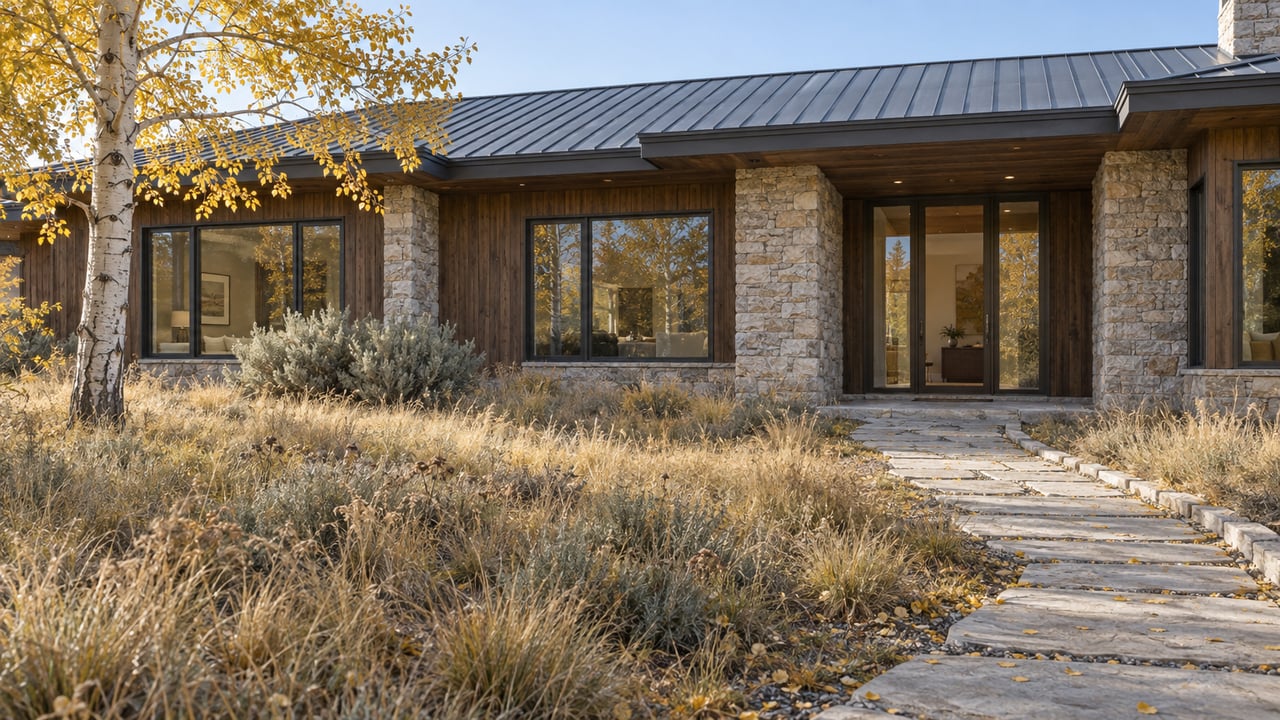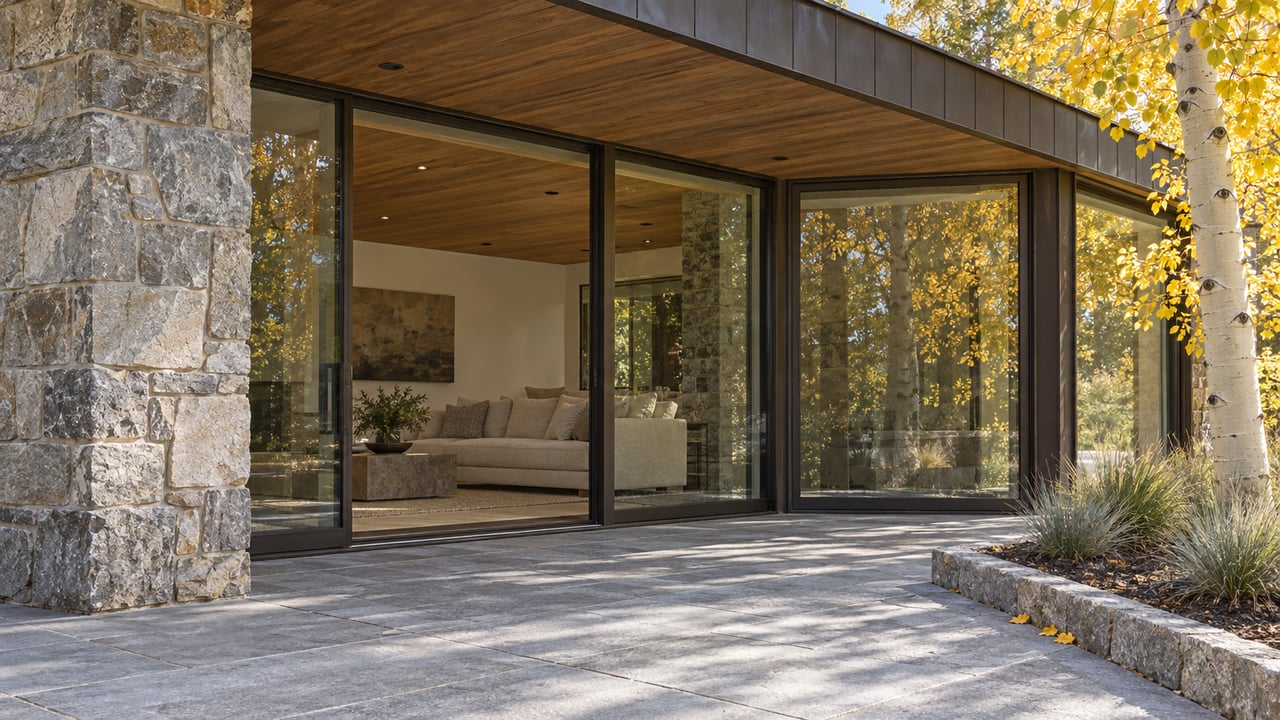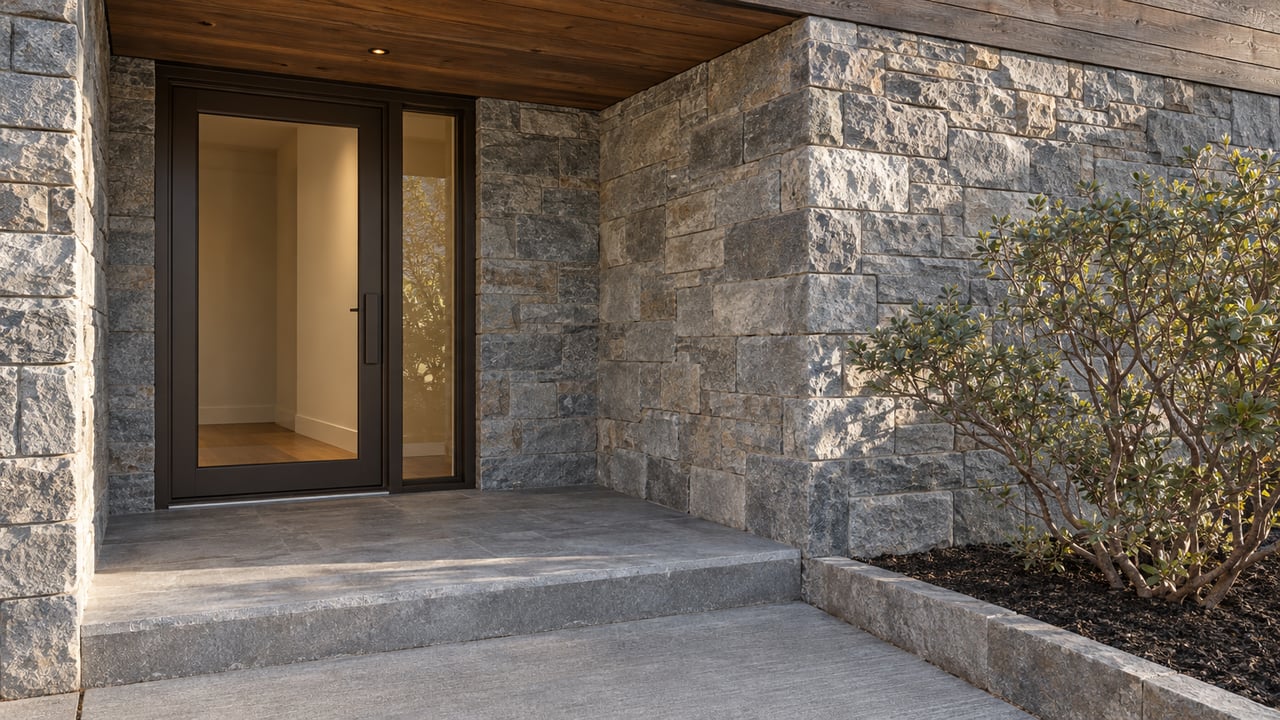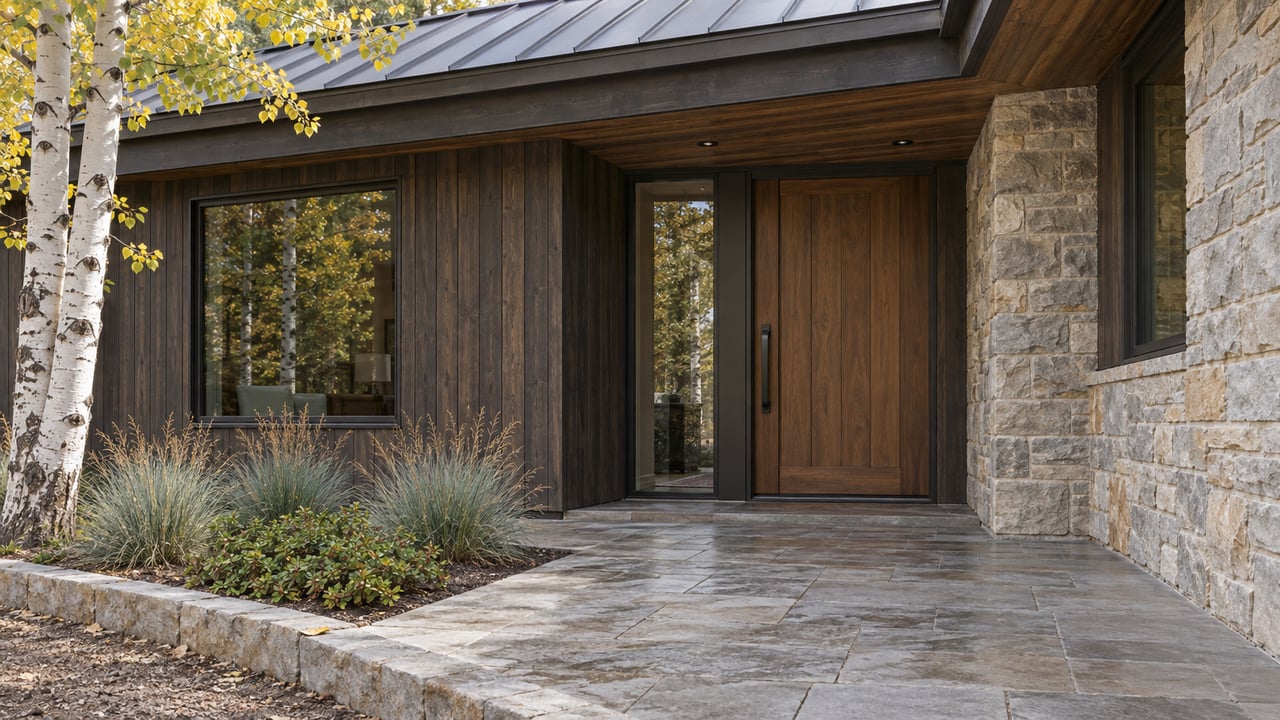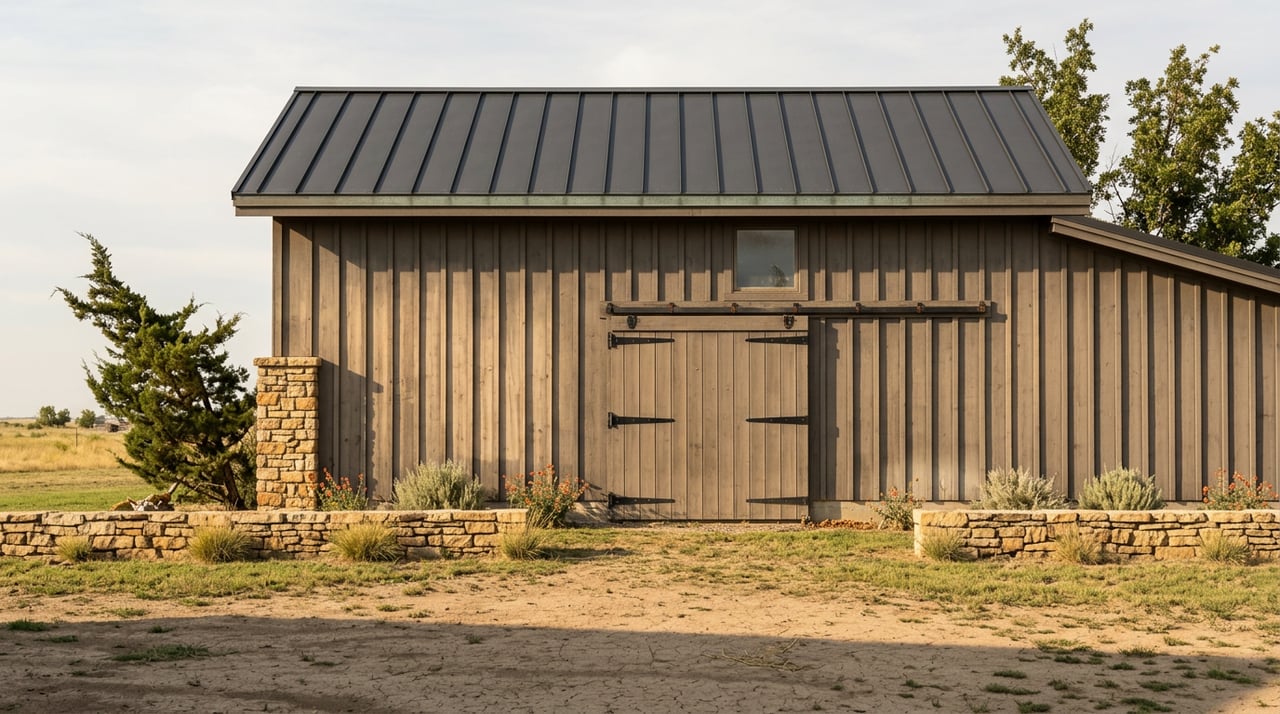
A buyer closes on 8 acres in Silver Creek Estates, drawn by the low tax bill a neighboring parcel seemed to carry. A year later, after building a barn and fencing a pasture that never quite produces enough hay to satisfy Utah's agricultural production standard, the county reclassifies the land at market value and sends a bill covering the difference for the past five years, as Summit County explains. The listing sheet never mentioned any of this. Neither did the flyer that quoted price per acre as though it were the whole story.
That gap between what the brochure shows and what the tax notice says is the real story in Silver Creek Estates right now. The neighborhood's appeal is well documented: acreage lots averaging around 8 acres, horse-friendly zoning, and a location just off I-80 that puts Main Street and the ski areas ten to fifteen minutes away. What gets left out of most conversations is that two identical-looking parcels can carry wildly different carrying costs depending on how the county assesses them, and the mechanism that decides which parcel gets which treatment is a state statute most buyers have never heard of.
The Greenbelt Question Nobody Asks at the Open House
Utah's Farmland Assessment Act, known locally as Greenbelt, lets qualifying agricultural land get taxed on its productive capability rather than its market value. For a large parcel in a neighborhood where raw land alone can run into six figures per lot, that distinction is not academic. It is the difference between a tax bill built on what the hay ground earns and one built on what a buyer in Park City's luxury market would pay for the view.
Qualifying is not automatic. The Utah State Tax Commission says qualifying land needs at least five contiguous acres and must produce more than half the average agricultural output per acre for that land type and county. A homesite carved out for the house itself does not count toward the acreage and gets valued separately at residential rates, as set out in Utah's property-tax standards.
The part that catches people off guard comes later. If the land stops qualifying, Summit County applies a rollback tax equal to the difference between what was paid under Greenbelt and what would have been paid at market value, calculated across as many as the preceding five years. It is not a penalty in the sense of a fine. It is deferred tax finally coming due.
If you are underwriting a Silver Creek Estates purchase on the assumption that a low current tax bill will carry forward automatically, you are underwriting the wrong number. The bill follows the land's agricultural use, not its price tag.
No HOA Sounds Like a Savings Line. It Is a Deferral.
The Silver Creek Estates website says most of Silver Creek Estates carries no mandatory HOA. The open acreage that gives the neighborhood its name, the ranch-scale parcels in Stagecoach Estates and the wooded cul-de-sac lots in Tollgate Canyon among them, has a different ownership model from a gated neighbor like Promontory. For buyers who chafe at covenant restrictions, that freedom is a genuine selling point, and it shows up in the property type itself: RV storage, working barns, auxiliary buildings, and room for personalization.
But the same broad Silver Creek footprint also contains three gated pockets that run on an entirely different model. Red Hawk, The Preserve, and Goshawk sit inside the Silver Creek area yet operate as their own gated neighborhoods. The name covers several distinct neighborhood settings, from open acreage to gated communities.
None of this makes one model cheaper than the others in any absolute sense. The buyer who does not ask who maintains the road serving a specific parcel finds out the answer the first time that road washes out.
The Utility Patchwork Is Part of the Price, Not a Footnote
Some parcels in Silver Creek Estates sit on private wells and septic systems. Others tie into community or municipal utilities depending on which pocket of the neighborhood they fall in, and roads range from paved to gravel for the same reason: horse traffic and low-density development never required the infrastructure a denser subdivision would demand. One listing example makes the pattern concrete: a 9.96-acre parcel zoned AG10 and carrying greenbelt status included irrigation water alongside a newly drilled culinary well and septic system, a combination that only makes sense once you understand that irrigation water, drinking water, and waste disposal are three separate systems a buyer has to verify independently rather than one utility bill to check.
That verification work helps determine whether a given parcel can support the horses, the guest house, or the workshop the buyer has in mind, and it varies lot by lot in a way that a median price per square foot cannot capture.
What the Numbers Actually Say
Across detached homes priced above $3 million in Park City and Snyderville Basin combined, the median price per square foot climbed from $960 in 2023 to $1,048 year to date in 2026, a 9 percent increase, while the number of sales in that tier rose from 140 to 238 over the same stretch, according to a Q2 2026 market update. That is demand broadening, not just a handful of trophy closings pulling the average up. But basin-wide figures like these still average over neighborhoods with very different liquidity profiles, and Silver Creek is one of them.
The 2025 full-year neighborhood breakdown makes that concrete. Promontory led all Snyderville single-family neighborhoods that year with 111 sales, a reflection of its gated, club-driven demand. Jeremy Ranch followed with 43, Summit Park with 34, and Silver Creek South came in at 28, a count that places it among the basin's deeper full-time-resident markets rather than its thinnest luxury tiers. That distinction matters for a buyer trying to gauge how quickly a given parcel might resell. A neighborhood with steady, moderate transaction volume behaves differently at resale than one where a handful of trophy sales carry the entire statistic.
| Consideration | Gated pockets (Promontory; Red Hawk, The Preserve, Goshawk) | Open Silver Creek acreage & East Creek Ranch |
|---|---|---|
| Property tax basis | Market value | Market value, unless Greenbelt-qualified |
| Utility model | Typically municipal | Mixed: well/septic, community, or municipal by parcel |
None of these differences make one structure better than the other. They make them different products that happen to sit in the same broad geography, and the buyer who treats them as interchangeable because both show up under a Snyderville Basin search is the one most likely to be surprised at closing or at the first county reassessment notice.
A Short FAQ
Does every large parcel in Silver Creek Estates qualify for Greenbelt assessment? No. Qualification depends on acreage, active agricultural use, and meeting a production threshold set by the county and the Utah State Tax Commission.
If I buy a Greenbelt-qualified parcel and stop farming it, what happens? The county can apply a rollback tax covering the difference between the Greenbelt rate and market-value taxation for up to the five years preceding the change in use. This is worth confirming with the Summit County Assessor before assuming a seller's current tax bill will transfer to your ownership unchanged.
Is the lack of a mandatory HOA a red flag? Not inherently. It is a different maintenance model, one where the buyer takes on individually what a mandatory HOA would otherwise centralize. The right question is who currently maintains the specific road or shared access serving the parcel you are considering.
Silver Creek Estates rewards buyers who ask about the mechanism behind the number, not just the number itself. The tax basis, the utility setup, and the road agreement on a given parcel can matter more to long-term cost than the acreage total on the listing sheet. Whether you are weighing an open-acreage parcel against a gated pocket like Red Hawk or Promontory, or trying to understand what a specific Silver Creek property actually costs to hold over time, Paula Higman Real Estate can walk through the zoning, tax, and utility specifics parcel by parcel. Request a Private Consultation to start that conversation.
This article is general information, not legal, tax or financial advice. Consult a qualified professional about your situation.